Nipponbashi – From Edo Bridge to Neon Den Den Town
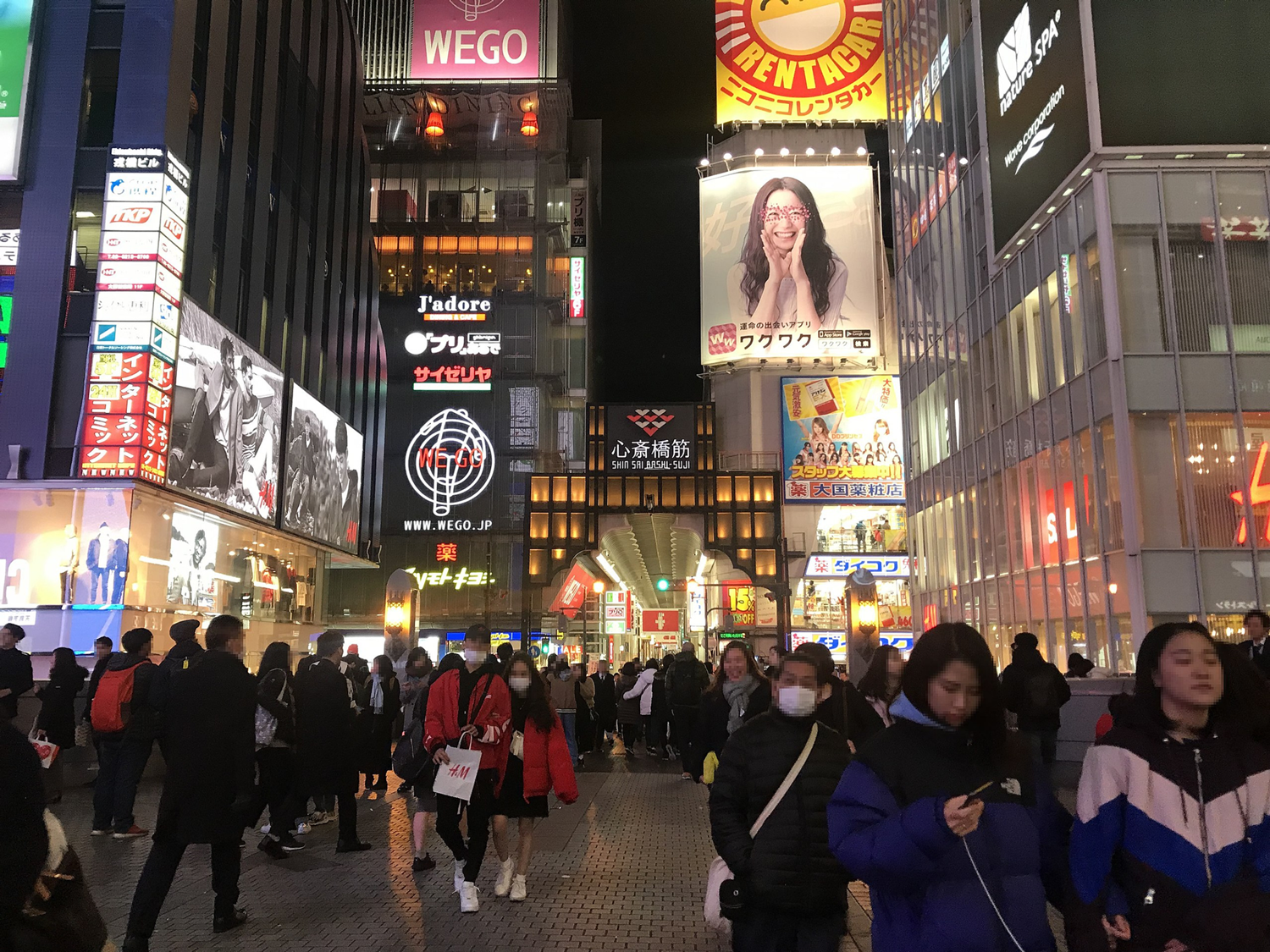
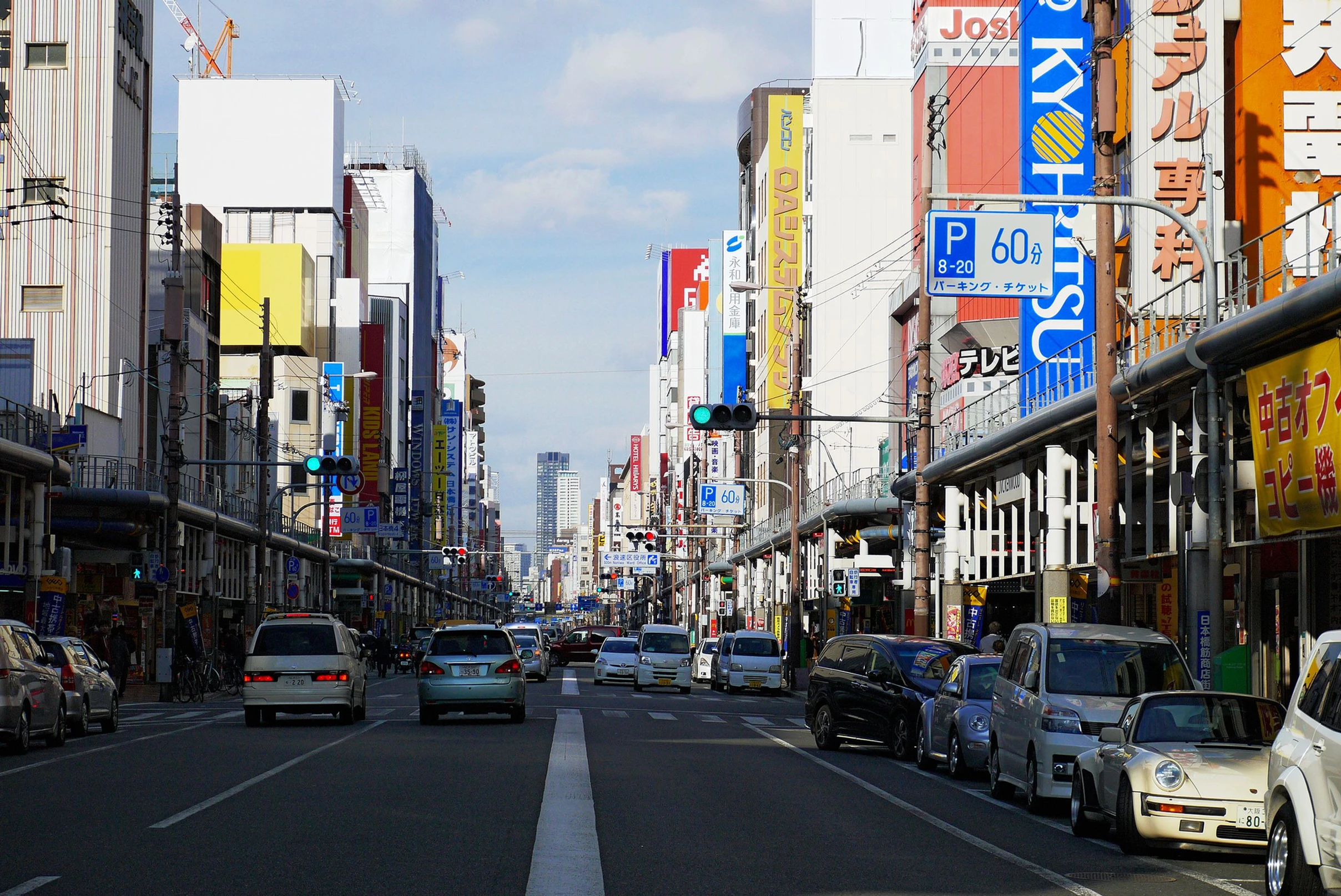
Nipponbashi in Osaka, not to be confused with Nihonbashi in Tokyo, shares a similar pronunciation and the same kanji, 日本橋, meaning “Japanese Bridge.” Simple enough. But even though their names are alike, their identities couldn’t be more different. Tokyo’s Nihonbashi became Japan’s financial district, lined with banks and art deco department stores. Osaka’s Nipponbashi became a center for anime, neon lights, and all things otaku. In essence, it’s Osaka’s version of Akihabara.
The Bridge That Started It All
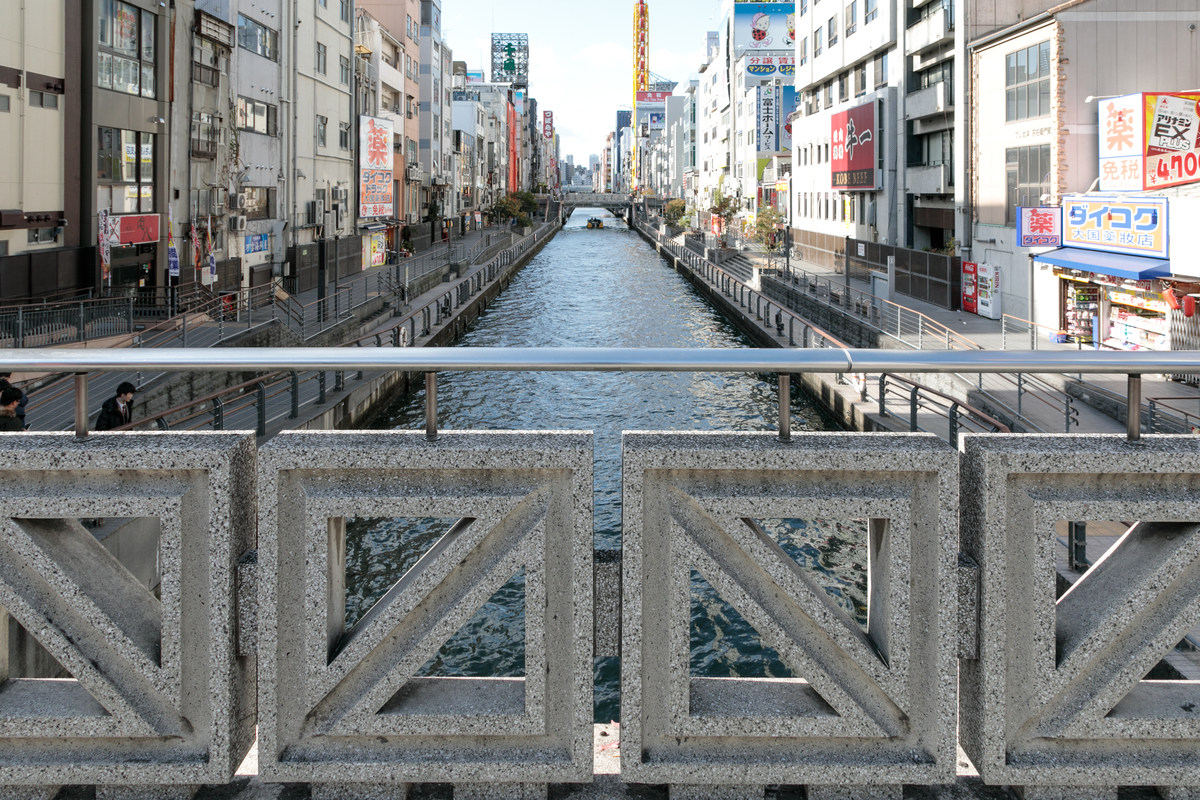
The district is named after the Nipponbashi Bridge, which extends into Dōtonbori. First built during the Edo period, it became a commercial hub because of its proximity to the wharf. The canal it crosses now sparkles with neon lights at night, the same waters that Hanshin Tigers fans jump into when the city is caught up in victory fever.
Osaka, known as the “city of water,” has more than 200 bridges, but none is as significant as Nipponbashi. Its structure has evolved over the years: wood during the Tokugawa shogunate, iron in the Meiji era, and steel in the Taishō period. Its current design, completed in 1969 alongside the subway expansion, reflects Osaka’s modernization. The ancient stone pillars remain, weathered remnants bearing history inscribed in their grooves.
From Books to Den Den Town
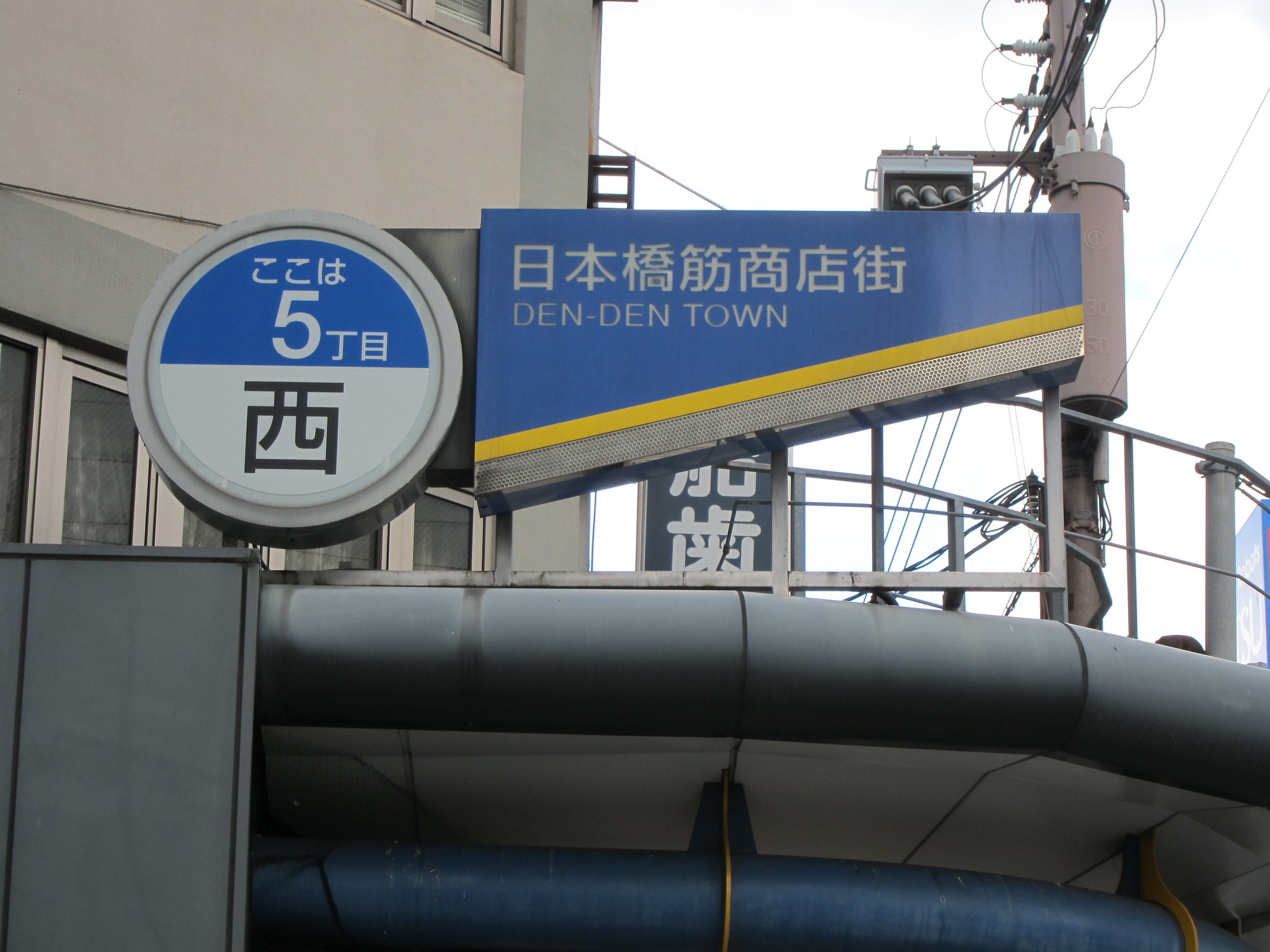
During the Meiji era, Nipponbashi was known for its secondhand bookshops, serving as Kansai’s equivalent of Tokyo’s Jimbochō. After World War II, it underwent a major transformation. Shops selling radio parts drew hobbyists, and the name “Den Den Town” became popular. From there, the area expanded into one of Japan’s three central electronics districts and eventually became a mecca for manga, anime, and maid cafés.
Otaku Culture Mainstreamed
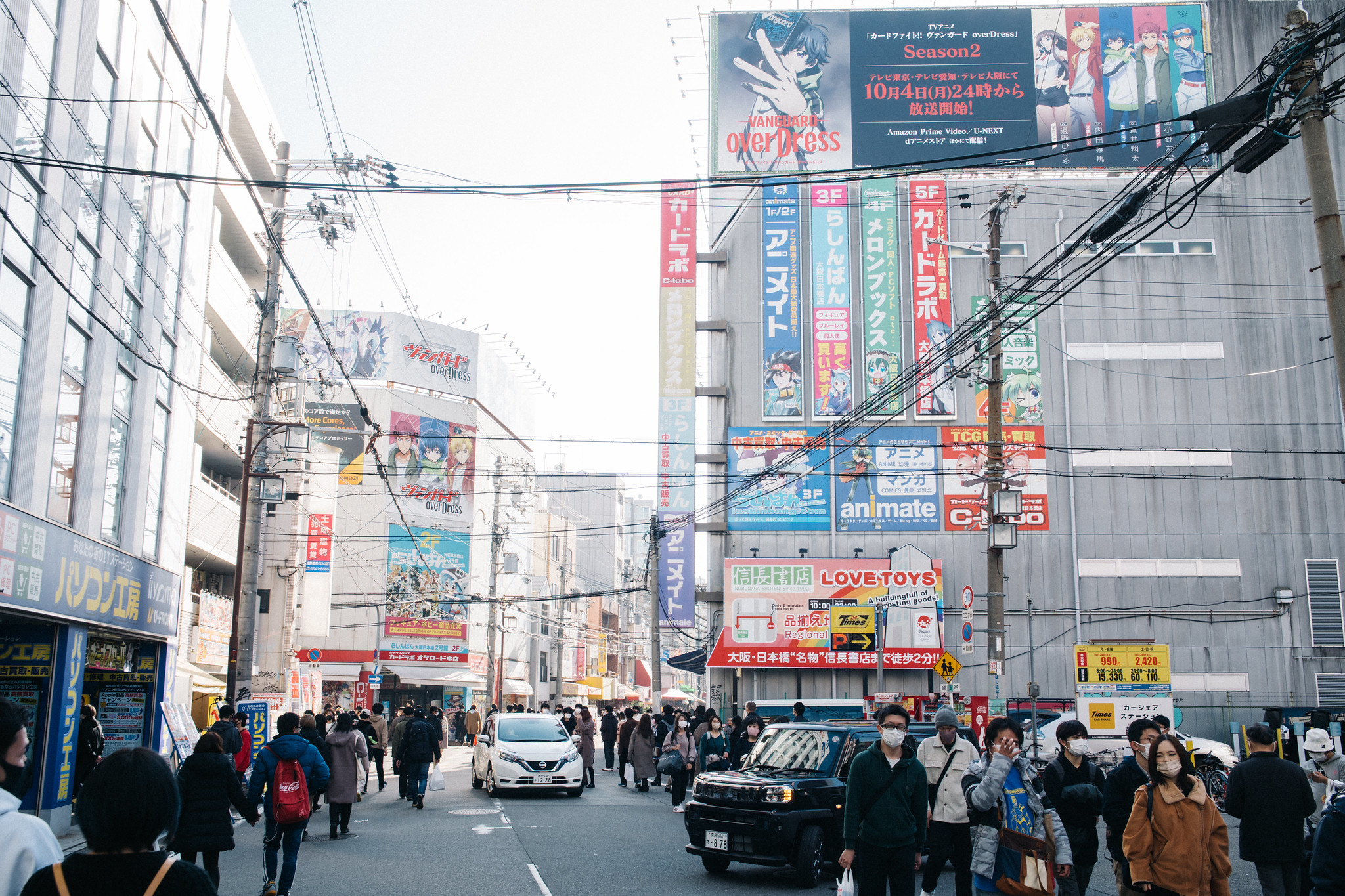
Even if you don’t consider yourself an otaku, Nipponbashi is worth visiting. Here, pop-culture fandom that once lived on the fringes now takes center stage. It’s a key reason for Japan’s record-breaking tourism increase and one reason the country receives such widespread affection abroad.
Japan’s content industry now generates 4.7 trillion yen, with projections that it may someday compete with steel or semiconductors. Western nostalgia also runs deep: retro shops stock G.I. Joes, X-Men, Ninja Turtles, and Transformers. Locals call it the “holy land of Western pop culture,” and rightfully so.
After Nerding
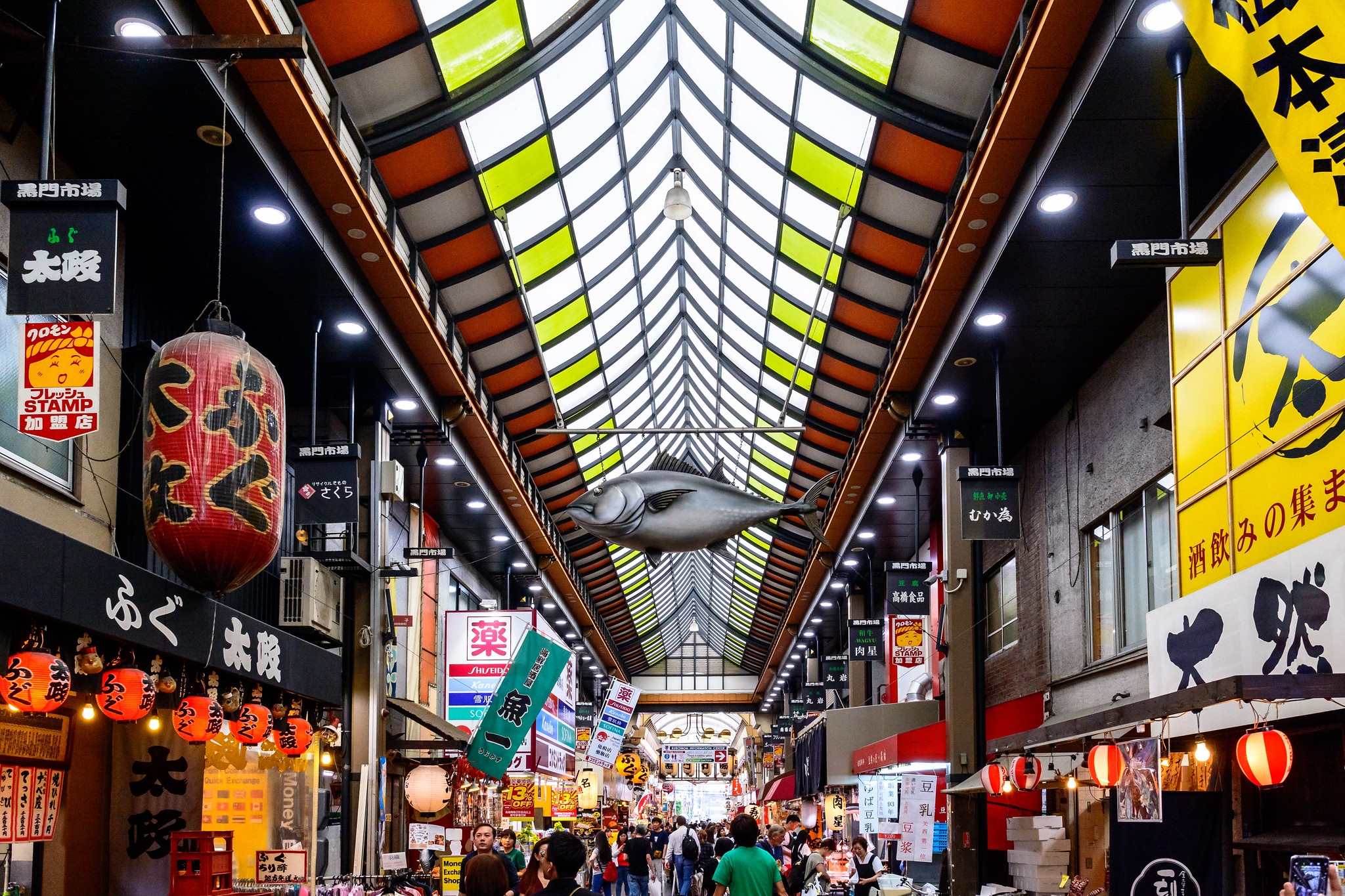
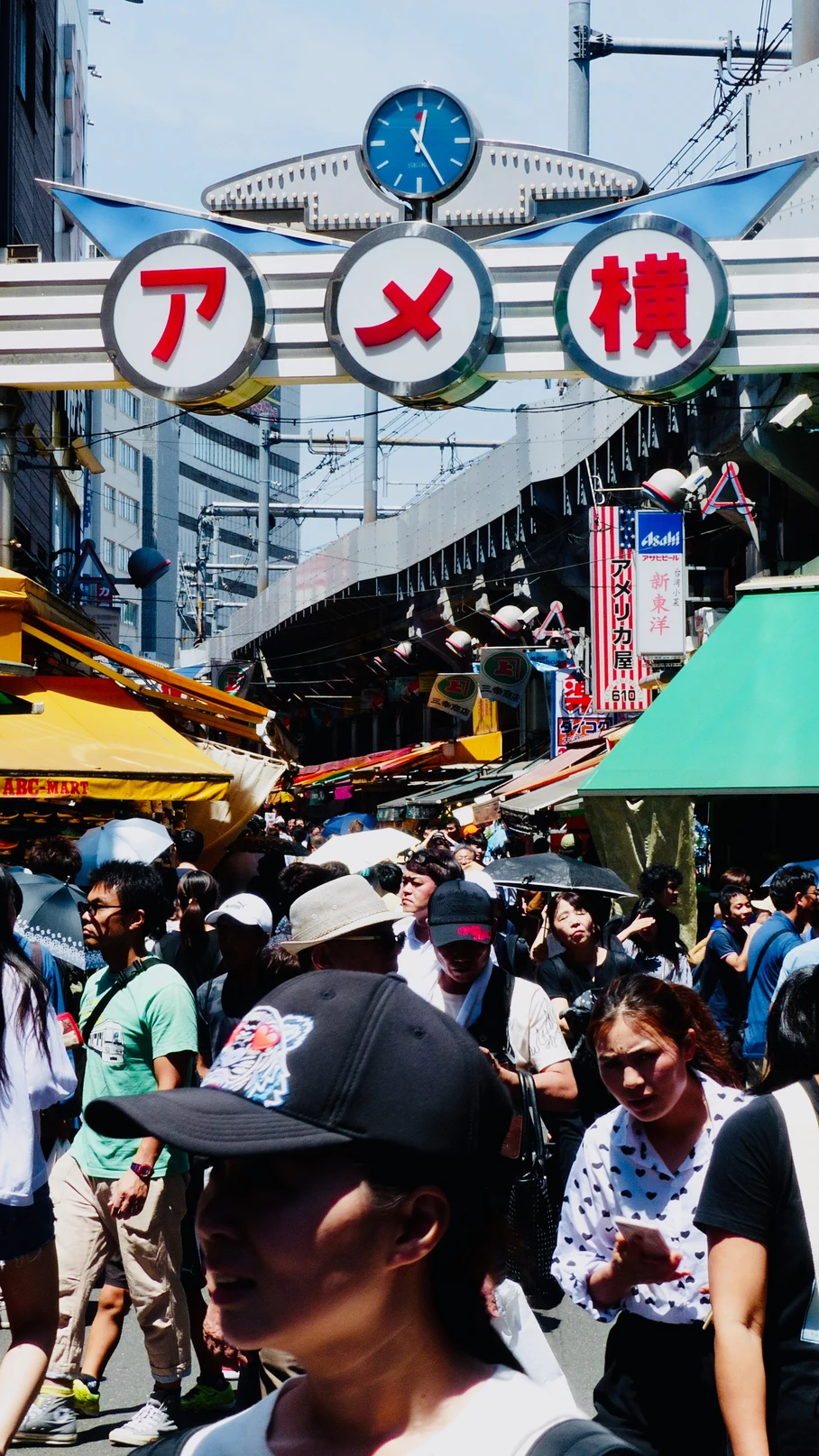
After you’ve had your fill of cosplay watching and spotting itasha street-racing cars decorated with anime decals, head to Kuromon Ichiba Market. Founded in 1822, this covered arcade began as a fish market and now features over 150 stalls, adored by both chefs and locals alike. Today, it offers a feast for every palate: takoyaki, kushikatsu, sushi, yakiniku, and, for the bold, pufferfish and softshell turtle. It’s the perfect spot to live out an Anthony Bourdain (RIP) fantasy.
Nearby Doguyasuji adds another layer: a shopping street dedicated to professional-grade kitchenware. For aspiring chefs, experienced cooks, or anyone wanting to bring Osaka’s culinary spirit home, it’s a must-visit destination.
A Bridge Between Worlds
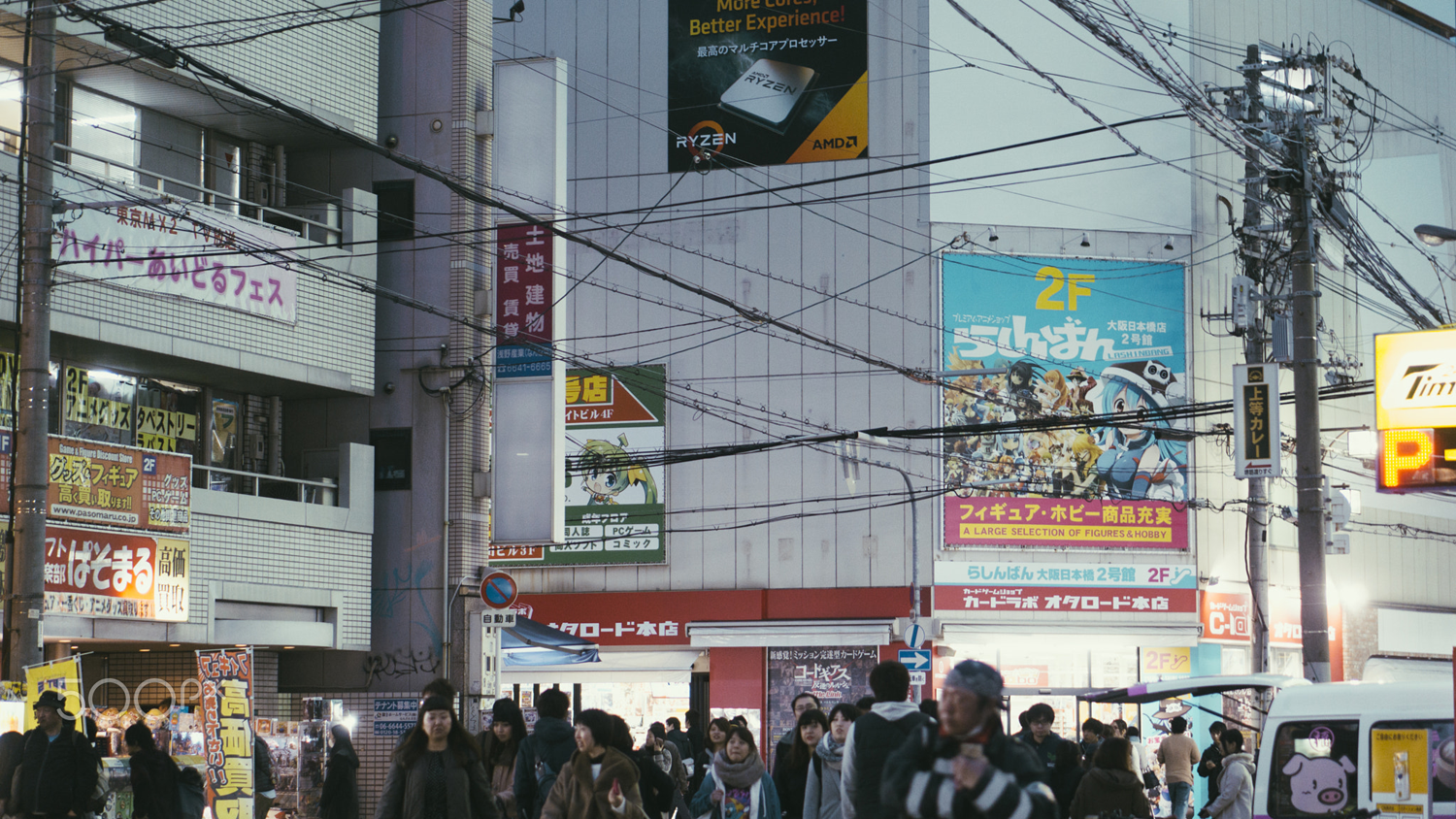
Nipponbashi is more than anime shops and bright lights. It serves as a bridge in every sense, linking Osaka’s mercantile past to its pop-culture present, connecting Japan’s creativity to a worldwide audience, and showing that what was once niche can become mainstream. You don’t have to be a nerd to enjoy strolling its streets, but you might be surprised to find that you are.
The MK Take
Let MK GUIDE you across Nipponbashi’s bridge, where Osaka’s mercantile past meets its neon-lit present. From Edo-era stone pillars to Den Den Town’s glowing arcades, from Kuromon Market’s flavors to Doguyasuji’s craft tools, this is where history and pop culture converge.
Image credit
- Oilstreet, CC BY-SA 3.0, via Wikimedia Commons
- Osaka Convention & Tourism Bureau, Nipponbashi Bridge
- "IMG_0989" by hslo, CC BY-SA 2.0, via Flickr
- "Nipponbashi" by Dick Thomas Johnson, CC BY 2.0, via Flickr
- "Kuromon Ichiba Market, Osaka, Japan" by dconvertini, CC BY-SA 2.0, via Flickr
- Bumseok Hong, CC BY 3.0, via Wikimedia Commons
Let MK Guide Your Journey
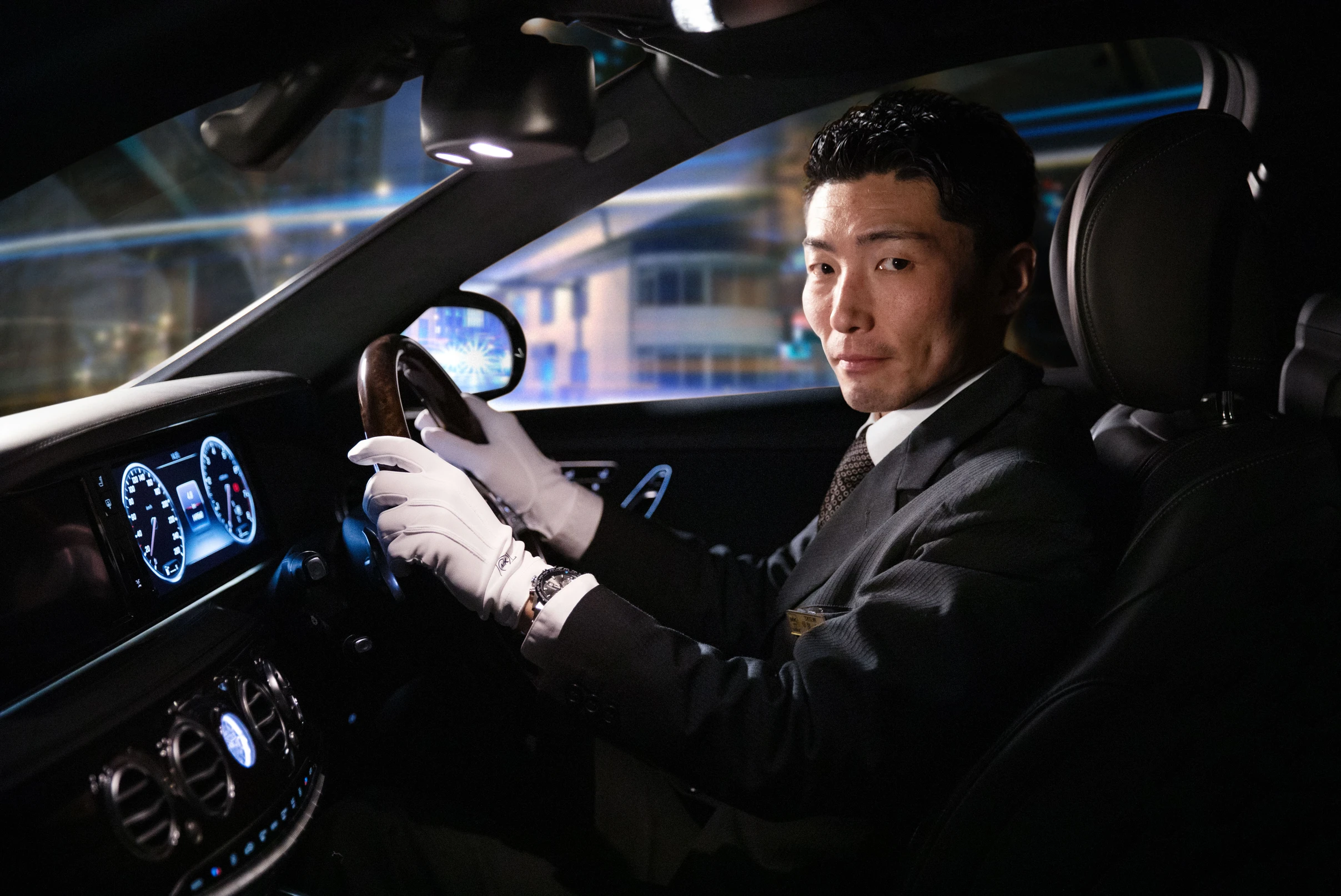
Let MK be your trusted guide through Japan. With local expertise, luxury vehicles, and English-speaking drivers, we create seamless, personalized journeys designed to make every experience effortless and unforgettable.
Plan your trip now with MK Guide.