Osaka Through Flavor | The Naniwa Foodie Course with MK
With MK’s Osaka private tours, movement becomes part of the experience. Spacious seating and multilingual drivers replace crowded platforms and rigid timetables, allowing you to arrive precisely when and where you intend. Guided by professionals trained in safety, etiquette, and regional insight, each journey unfolds with comfort and quiet precision.
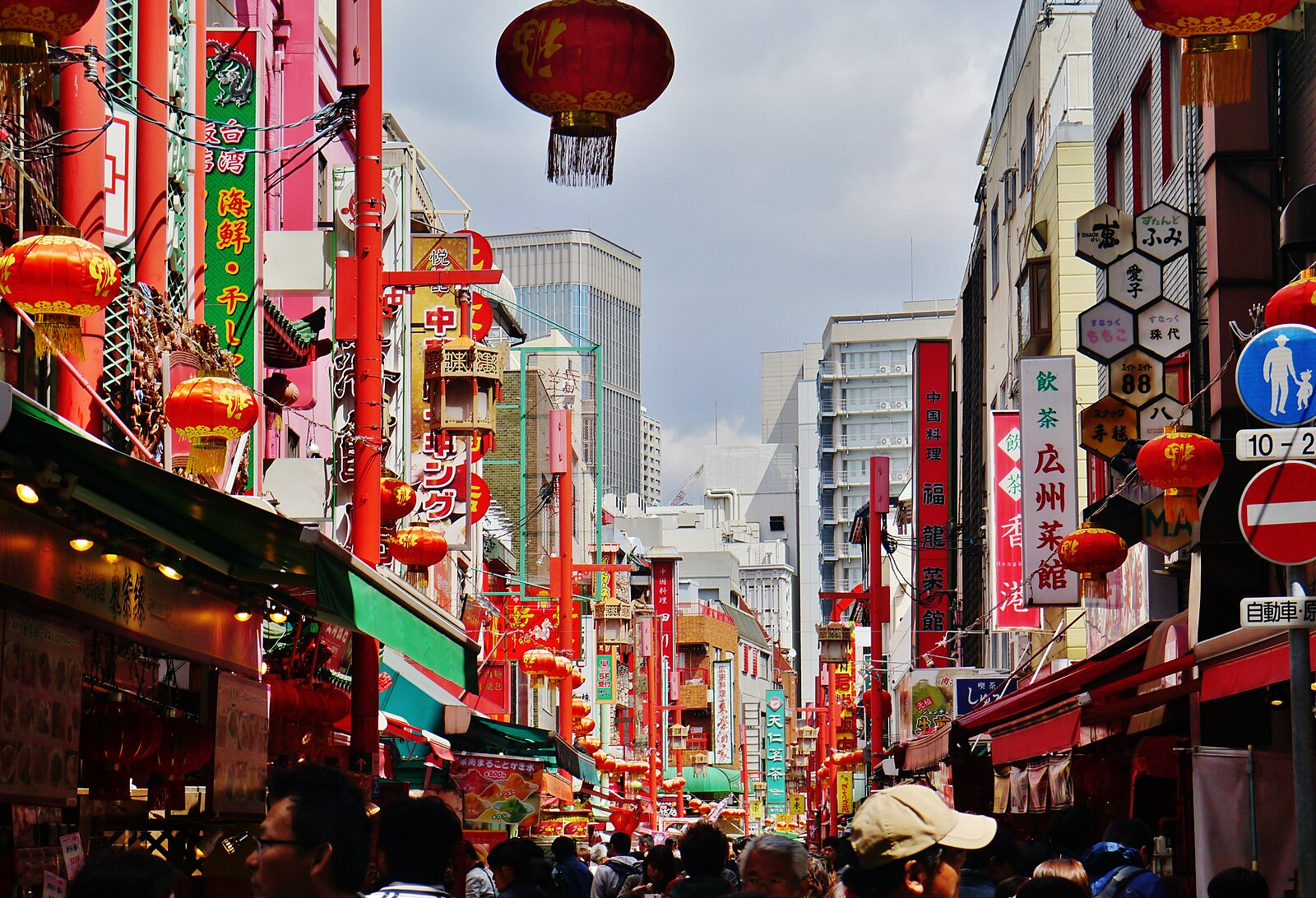
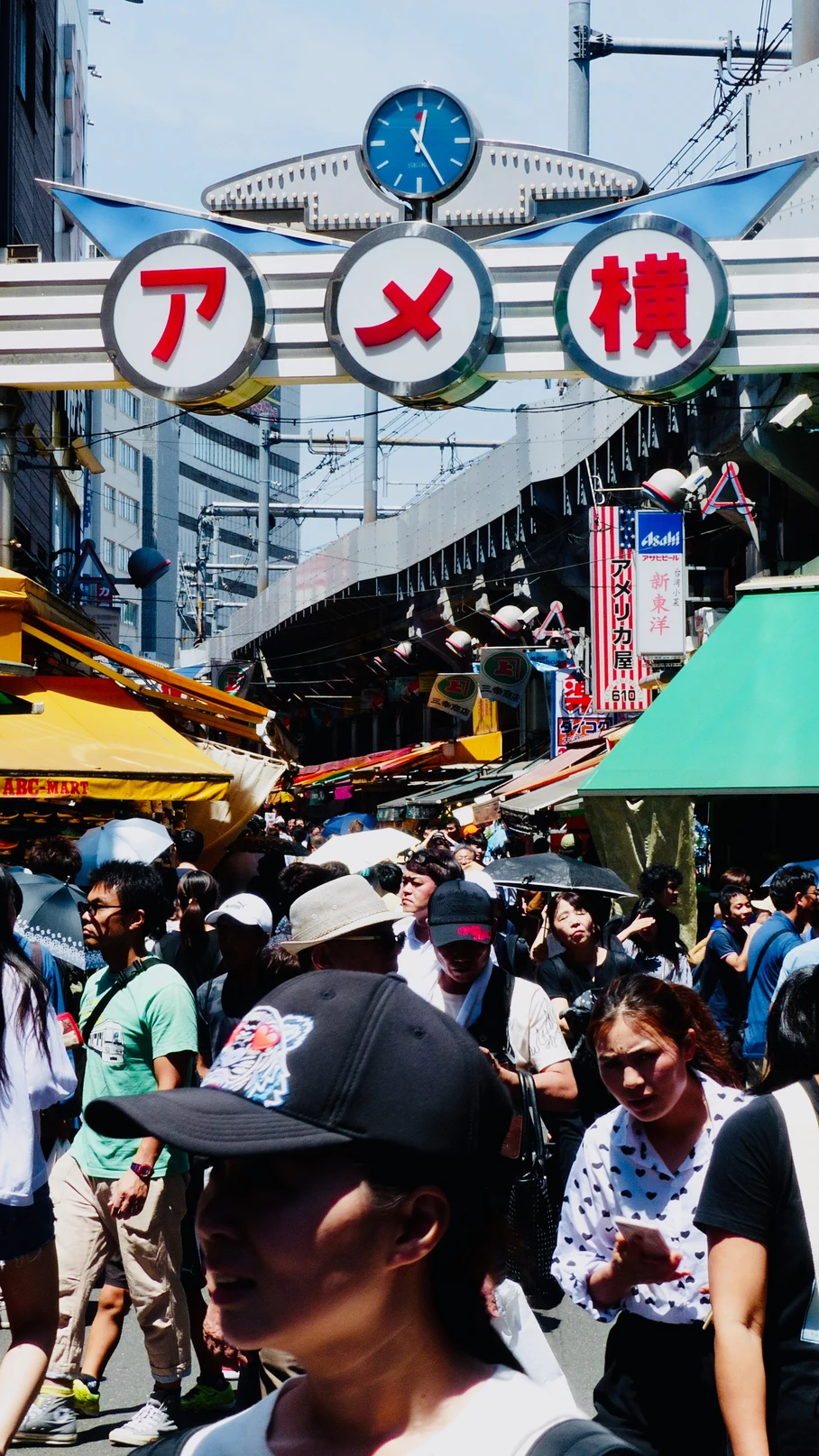
There is no better place to begin than Osaka, once known as Naniwa, the nation’s kitchen. Built by merchants rather than monarchs, the city thrives on appetite and character. To taste Osaka is to walk its streets through neon-lit arcades and narrow alleys where skewers sizzle and history hums beneath the glow.
MK’s Naniwa Foodie Course guides you through four iconic districts, including Shinsaibashi, Dotonbori, Nipponbashi, and Shinsekai, each revealing a distinct flavor of the city’s enduring spirit.
Shinsaibashi, Endless Arcade
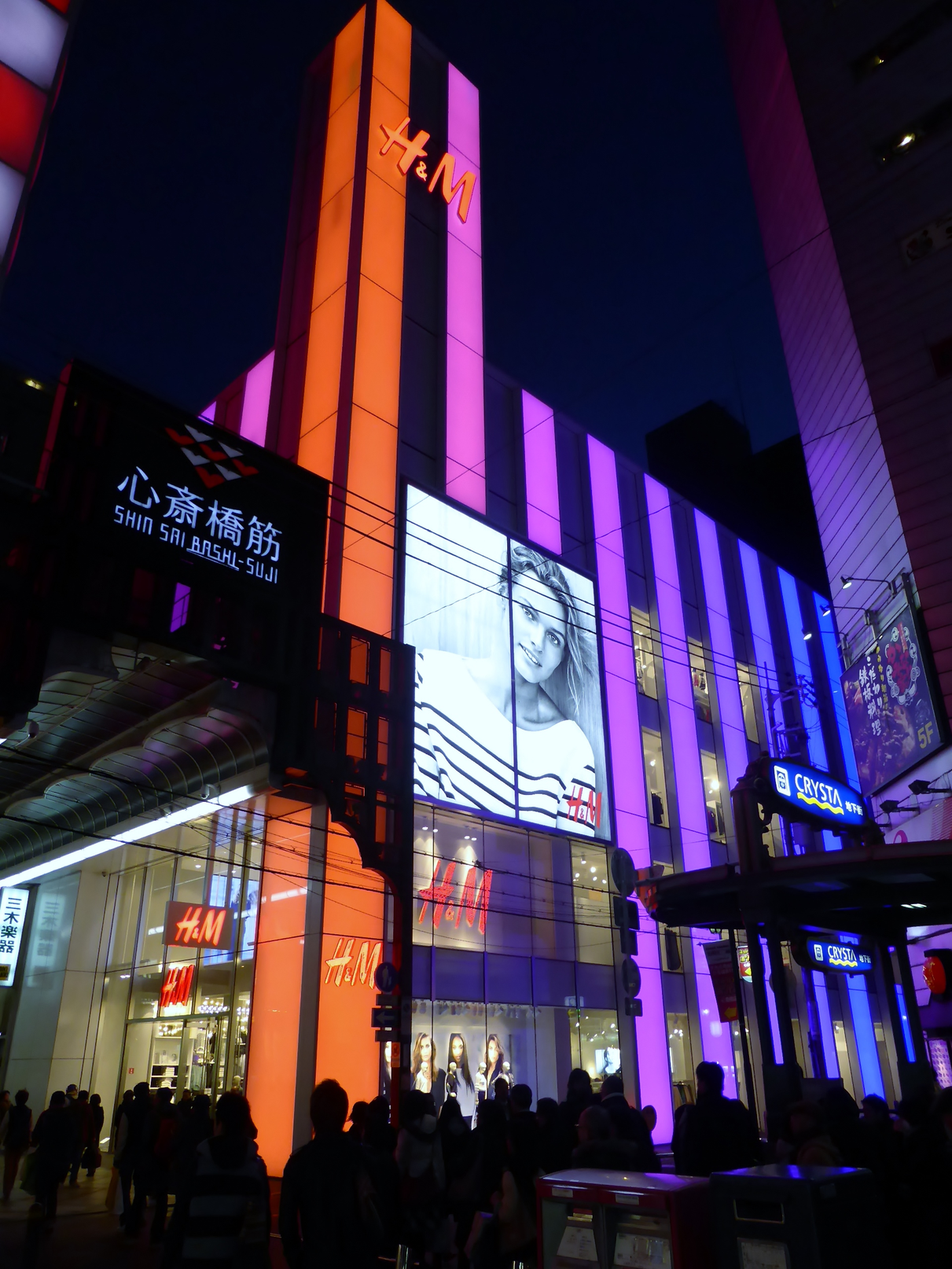
At the commercial heart of Osaka lies Shinsaibashi, born of merchant independence during the Edo period. The original bridge symbolized commerce on its own terms, and that self-made energy still pulses beneath the lights. Step into Shinsaibashi Shotengai, and you enter a seemingly endless corridor of shops, street food, and spectacle that stretches far beyond view.
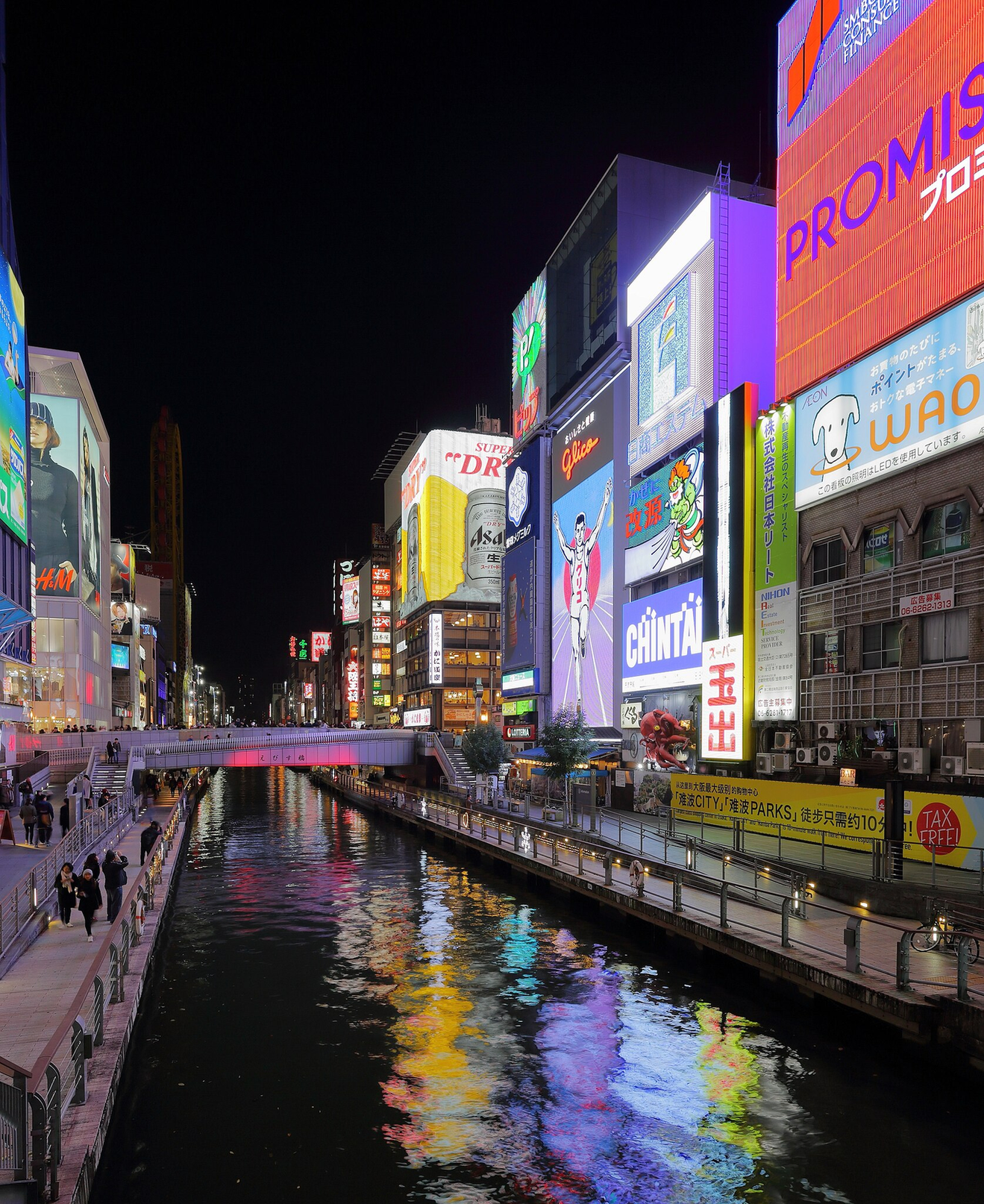
The district flows naturally into Dotonbori at Ebisu Bridge, beneath the glow of the Glico Man sign, first illuminated in 1935 and rebuilt repeatedly as an icon of the city. The broader area of Shinsaibashi, Dotonbori, and Namba is known collectively as Minami. This is the Osaka many imagine before arriving, with vivid lights, relentless flavors, and nightlife that hums until morning.
Takoyaki bubbles on iron plates. Okonomiyaki sizzles on griddles. Kushikatsu crackles in golden oil. Conveyor-belt sushi moves with a mechanical rhythm. Cross Yotsubashi suji, and the atmosphere shifts from luxury boutiques to America Mura’s street culture. By night, the district becomes a tapestry of bars, clubs, izakayas, and late-night laughter. By dawn, shutters descend, and skaters reclaim the pavement.
Dotonbori, Neon Stage
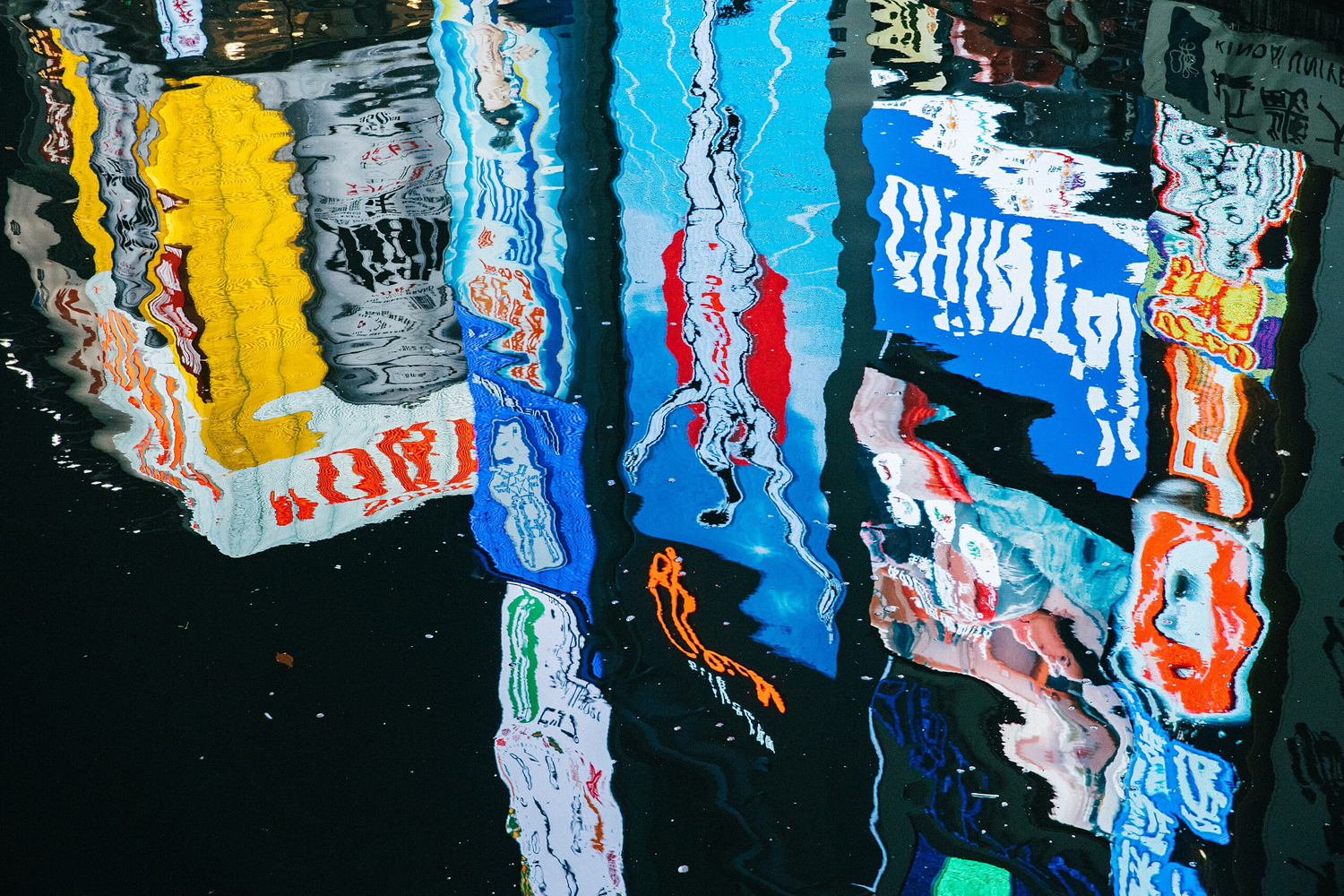
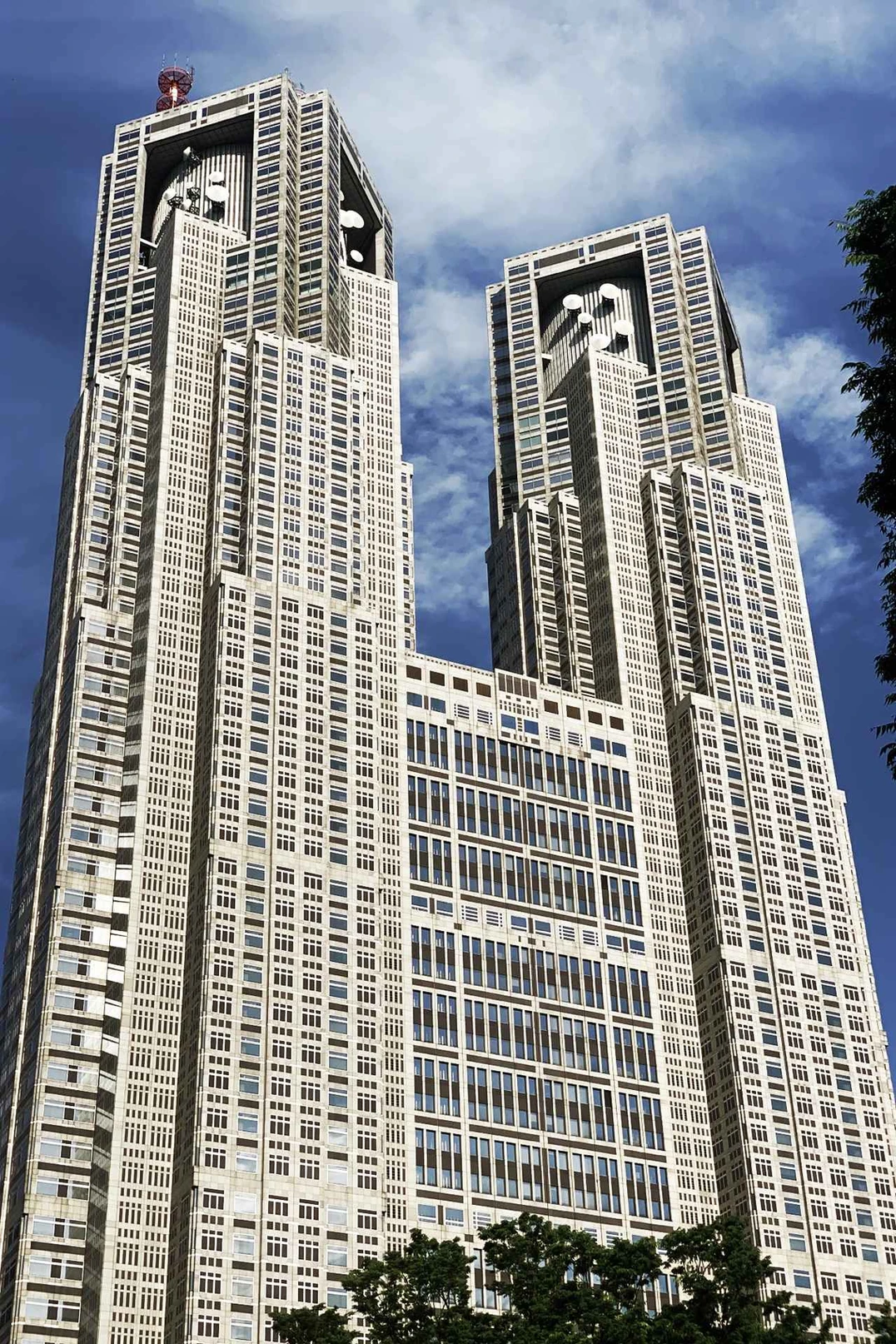
If Tokyo leans toward order, Osaka leans toward personality, and nowhere is that clearer than in Dotonbori. Neon reflects off the canal, and towering mechanical crabs climb building facades. Karaoke spills into the night. The district feels less like a street and more like a stage.
Dotonbori began in 1612, when Yasui Dōton, a local merchant and entrepreneur, invested his wealth to expand and improve the canal, stimulating trade and development in Osaka. Though he was killed during the Summer Siege of Osaka in 1615, part of the final campaign that brought the Toyotomi clan to its end, his cousin completed the project and named the canal in his honor. It soon flourished as a vibrant theater district with kabuki stages, bunraku puppet performances, and bustling teahouses. That spirit of spectacle and entertainment remains intact today.
On celebratory nights after a Hanshin Tigers victory, or during Halloween and New Year’s Eve, crowds gather at Ebisu Bridge, creating scenes that feel Osaka, spontaneous and unapologetic, uniquely. It is a district that thrives on expression.
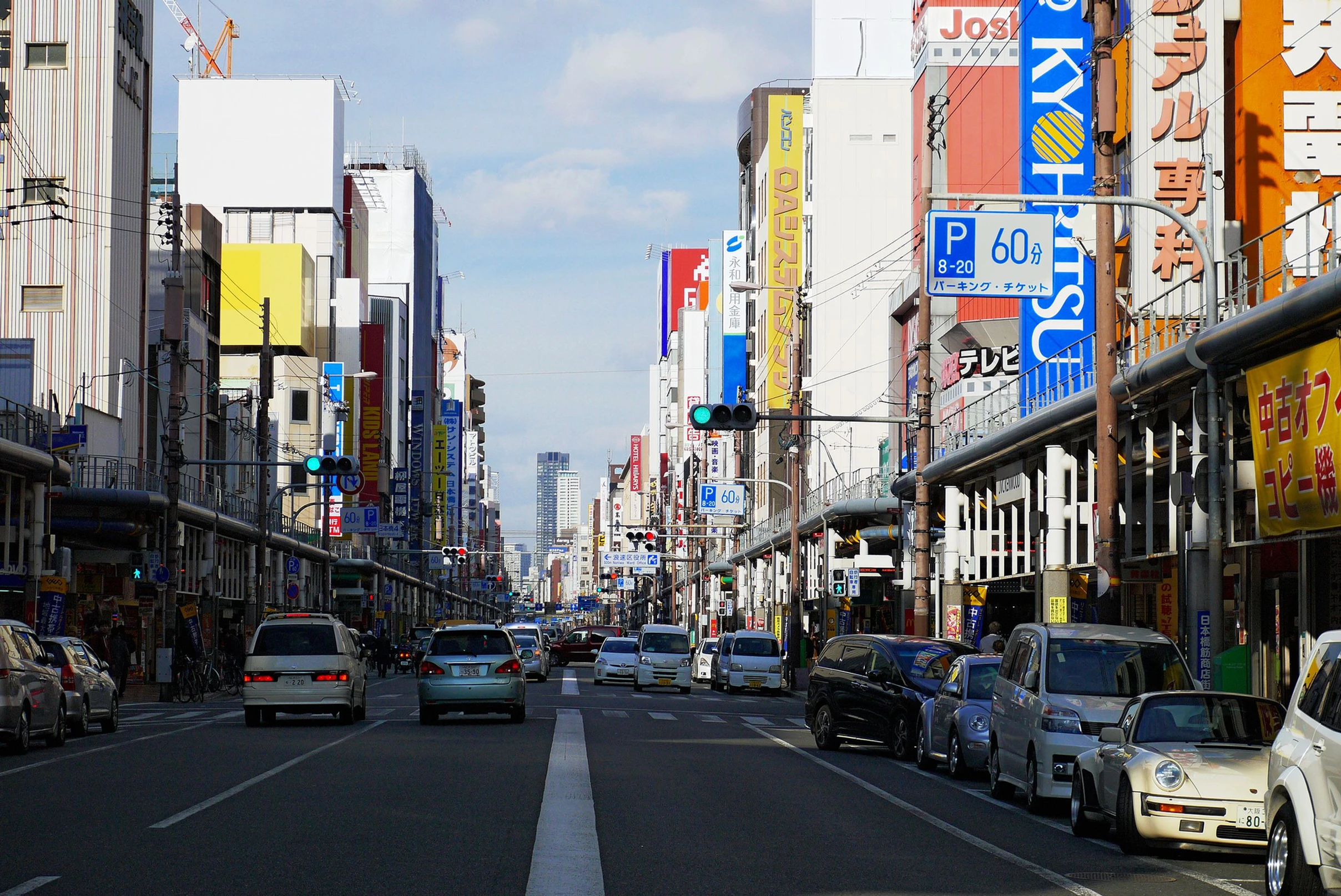
Nipponbashi, Den Den Town
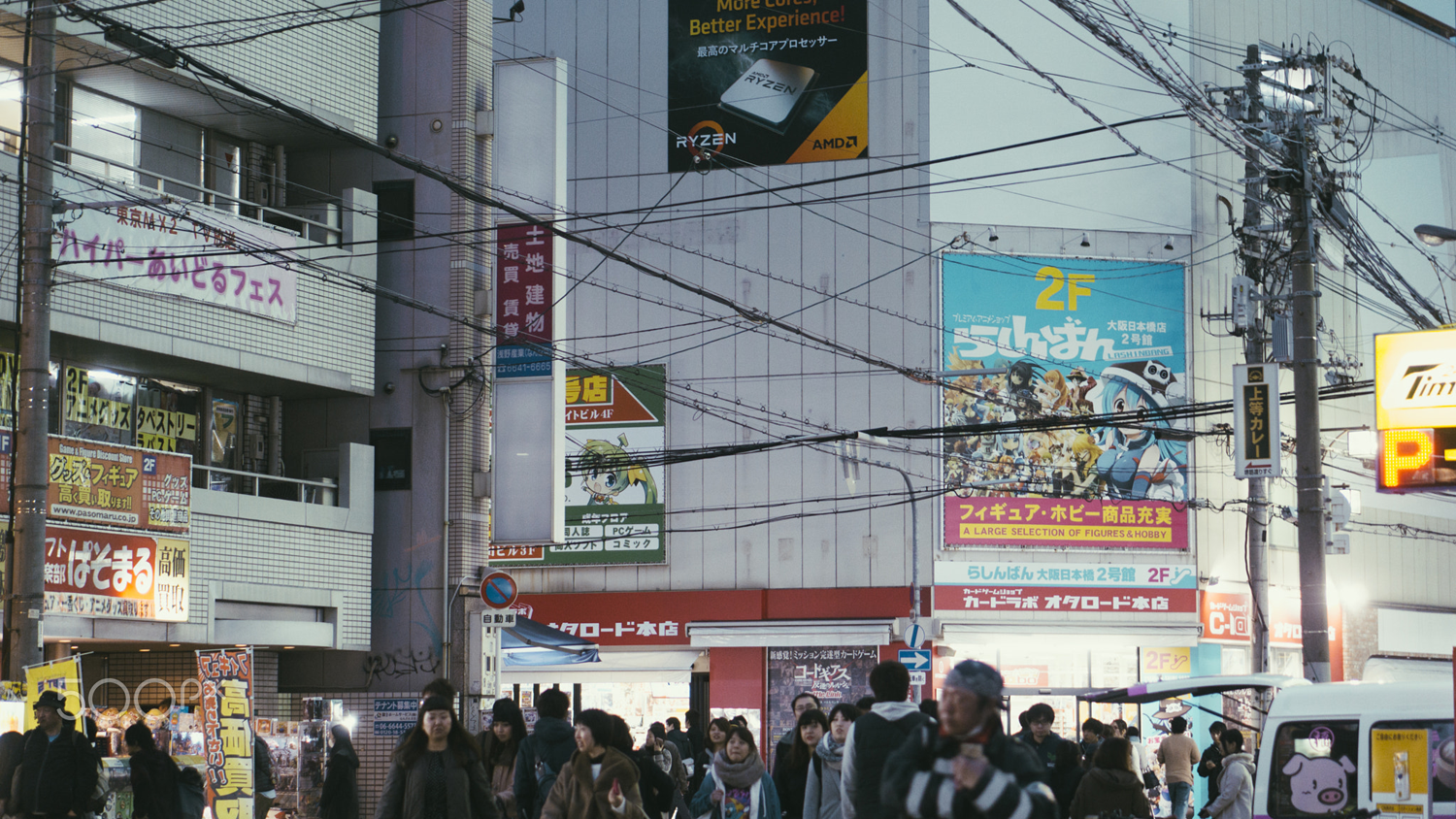
Not to be confused with Tokyo’s Nihonbashi, Osaka’s Nipponbashi evolved into a different kind of hub. Known as Den Den Town, it became Kansai’s center for electronics, manga, anime, and pop culture.
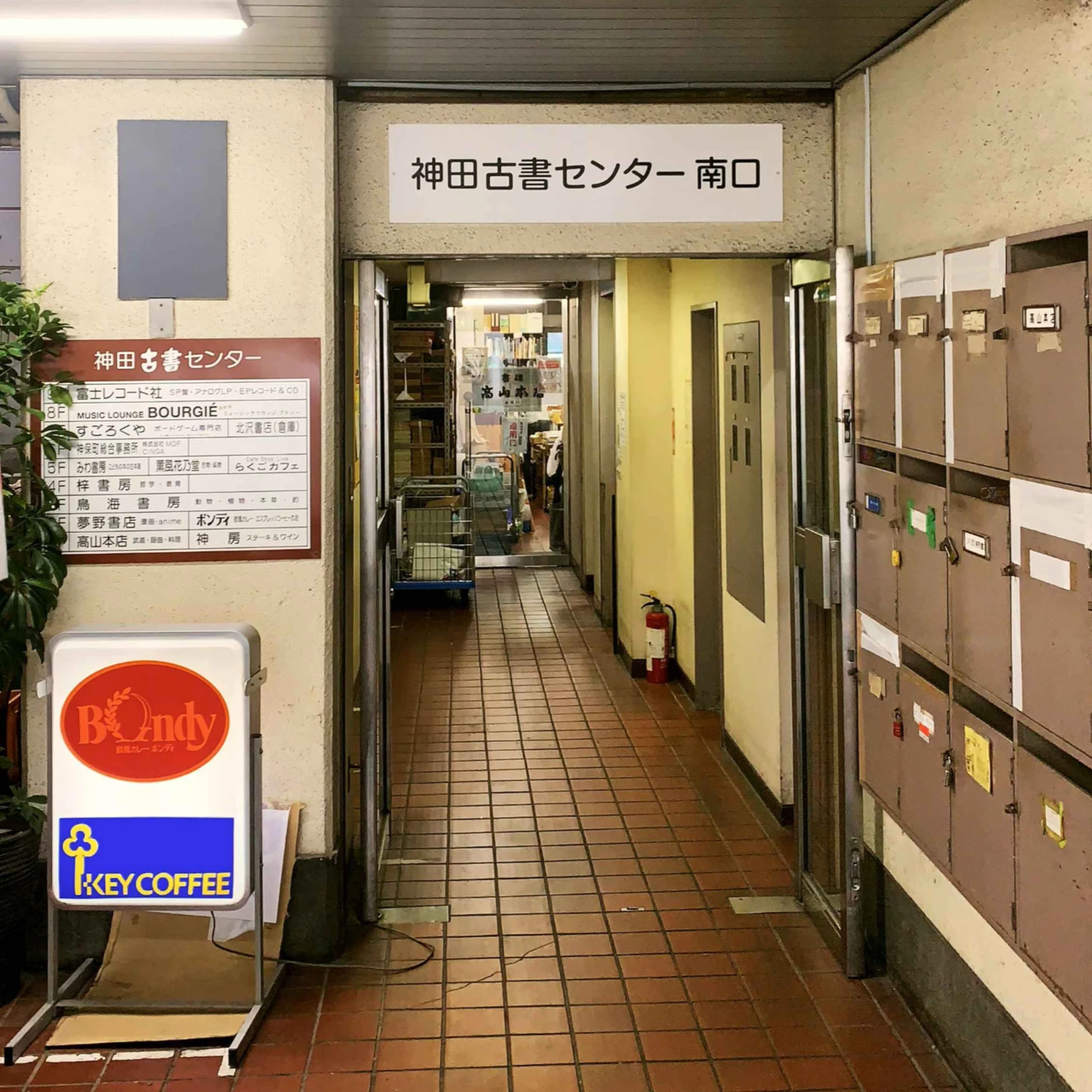
The bridge dates back to the Edo period and has been rebuilt over generations, its stone pillars quietly holding fragments of the past. During the Meiji era, the area was known for secondhand bookstores. After the war, it became an electronics district and eventually a haven for fandom culture.
Retro shops overflow with vintage toys and collectibles. Anime soundtracks spill from storefront speakers. Maid cafés line the streets. Even those unfamiliar with otaku culture find themselves drawn into its kinetic atmosphere.
Nearby, Kuromon Ichiba Market, established in 1822, stretches for more than 150 stalls offering everything from takoyaki to fresh seafood. Just beyond, Doguyasuji Street specializes in professional kitchenware, a reminder that Osaka’s identity is inseparable from its culinary craft.
Shinsekai, Retro Revival
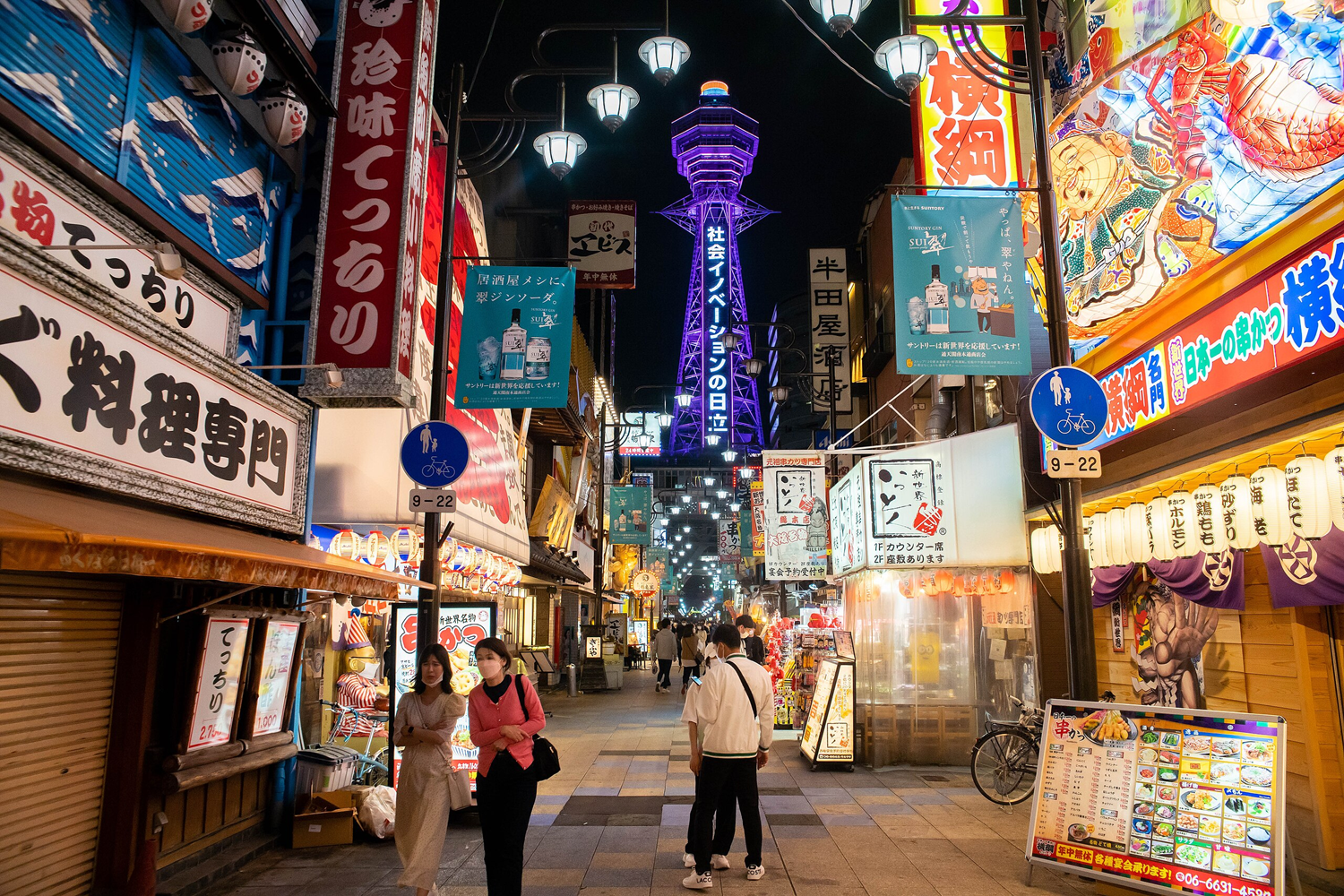
If parts of Osaka look forward, Shinsekai looks back with confidence. Established in 1910 as an ambitious blend of Parisian elegance and Coney Island amusement, it once symbolized modern aspiration. The original Tsutenkaku Tower burned during the war, and its iron was repurposed. A new tower rose in 1956, marking the district’s revival.
By the late twentieth century, Shinsekai had developed a rough reputation, yet, like many urban quarters, it reinvented itself. Today, it thrives as a nostalgic enclave with kushikatsu counters, takoyaki stalls, and the Osaka dialect echoing through Jan Jan Yokocho alley.
Tsutenkaku once again glows above the skyline, while the smiling figure of Billiken offers his distinctive brand of luck. Spa World offers a surreal bathhouse experience that blends global architectural motifs. Nearby, Tennoji Zoo continues to welcome families as it has for generations.
Here, Osaka’s past and present coexist without apology.
Osaka, Japan’s Kitchen
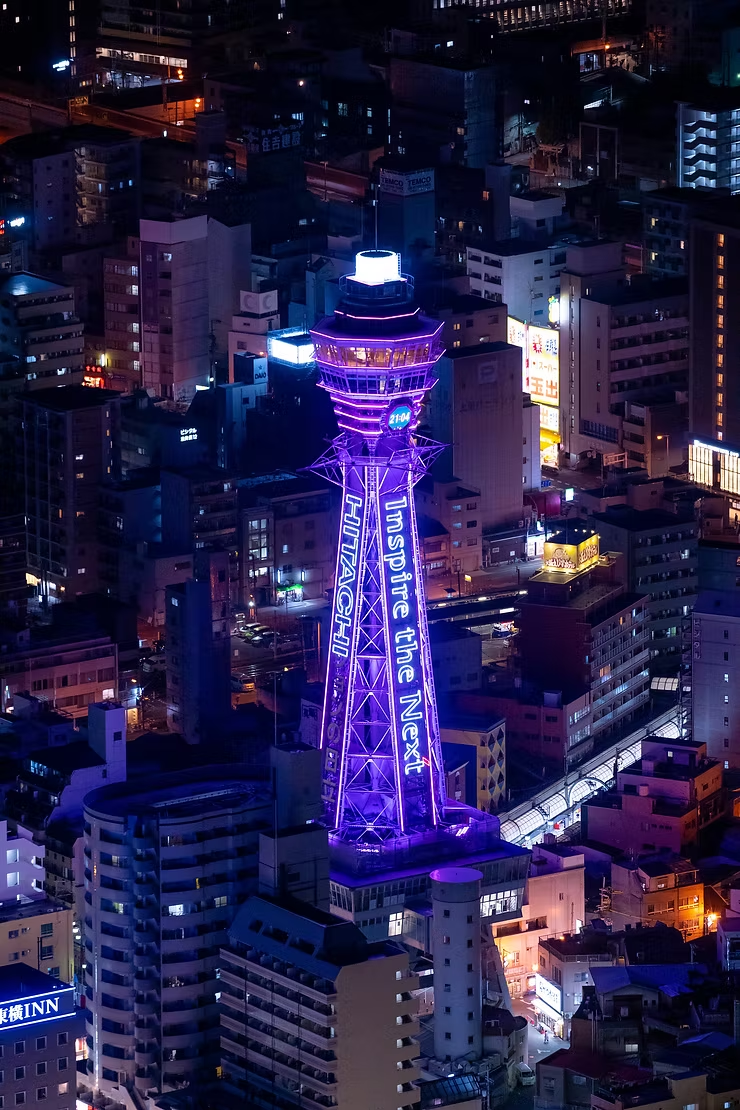
Together, Shinsaibashi’s arcades, Dotonbori’s spectacle, Nipponbashi’s subculture, and Shinsekai’s nostalgia form a layered, unmistakable portrait of Naniwa. Osaka earned its title as Japan’s kitchen not only for its food but also for its personality, generous, expressive, and grounded in commerce and craft.
With MK guiding the way, exploration becomes effortless. Travel between districts without navigating crowded stations or carrying bags through narrow streets. Move comfortably, pause when you wish, and experience each neighborhood at your own rhythm.
To discover Osaka’s culinary heart with comfort and precision, explore MK’s Naniwa Foodie Course today.
Image credit
- Martin Falbisoner, CC BY-SA 4.0, via Wikimedia Commons
- Tokumeigakarinoaoshima, CC0, via Wikimedia Commons
- DXR, CC BY-SA 4.0, via Wikimedia Commons
- Dick Thomas Johnson, CC BY 2.0, via Wikimedia Commons
- Bumseok Hong, CC BY 3.0, via Wikimedia Commons
- ほっきー, CC0, via Wikimedia Commons
- Dick Thomas Johnson, CC BY 2.0, via Wikimedia Commons
- Dick Thomas Johnson from Tokyo, Japan, CC BY 2.0, via Wikimedia Commons
Let MK Guide Your Journey
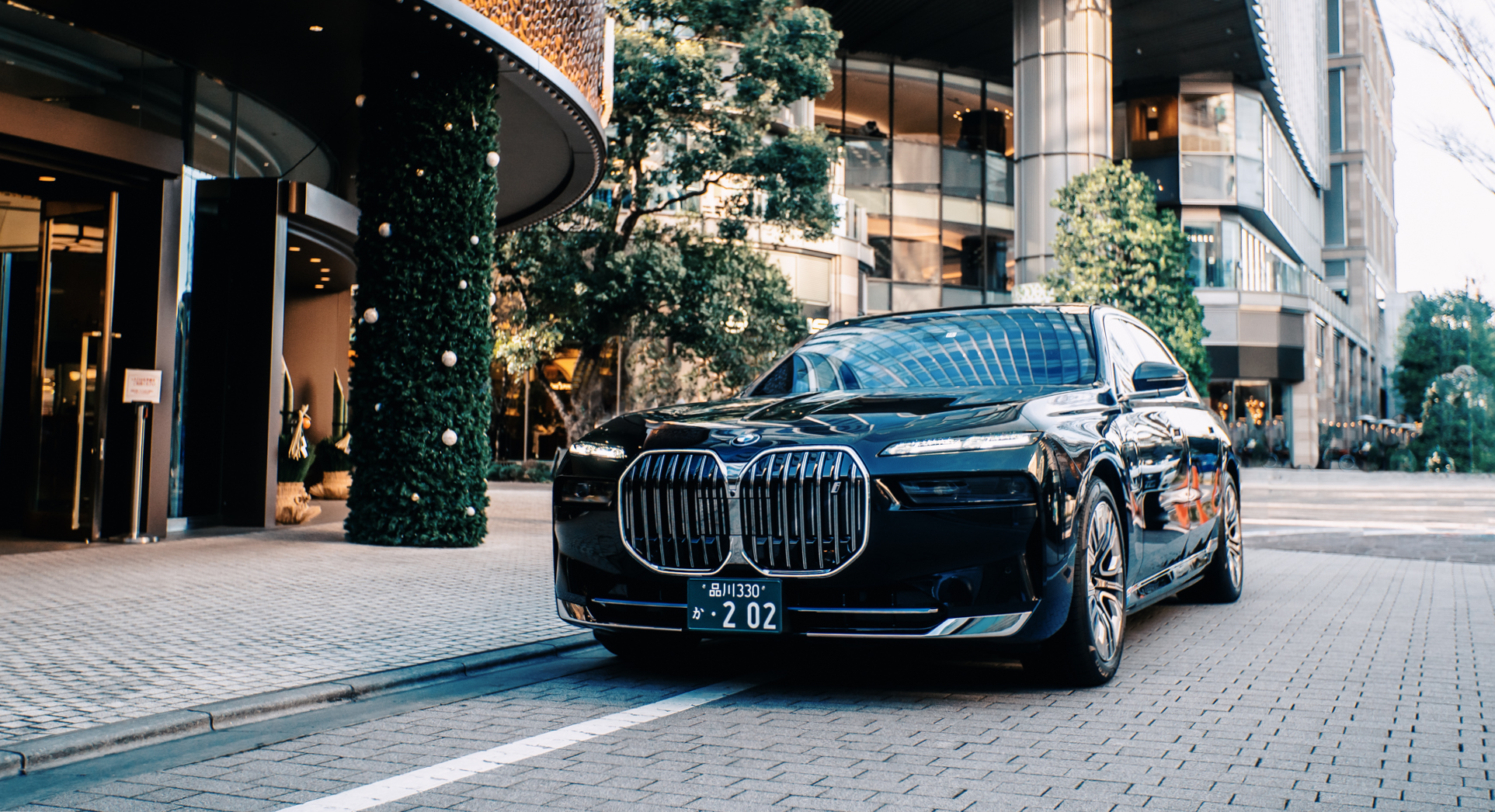
Time is the one thing you cannot reclaim, and MK ensures it is never wasted. Travel effortlessly with English-speaking drivers who are also knowledgeable local guides, arriving directly at temples, renowned restaurants, and cultural landmarks without the stress of schedules, stations, or luggage. With every detail arranged in advance and tours fully customizable to your interests and pace, MK transforms a single day into a seamless, elevated experience defined by comfort, precision, and access.
Plan your trip now with MK Guide.