Kanda Myojin Shrine — Guardian of Edo, Tech, and the Unseen
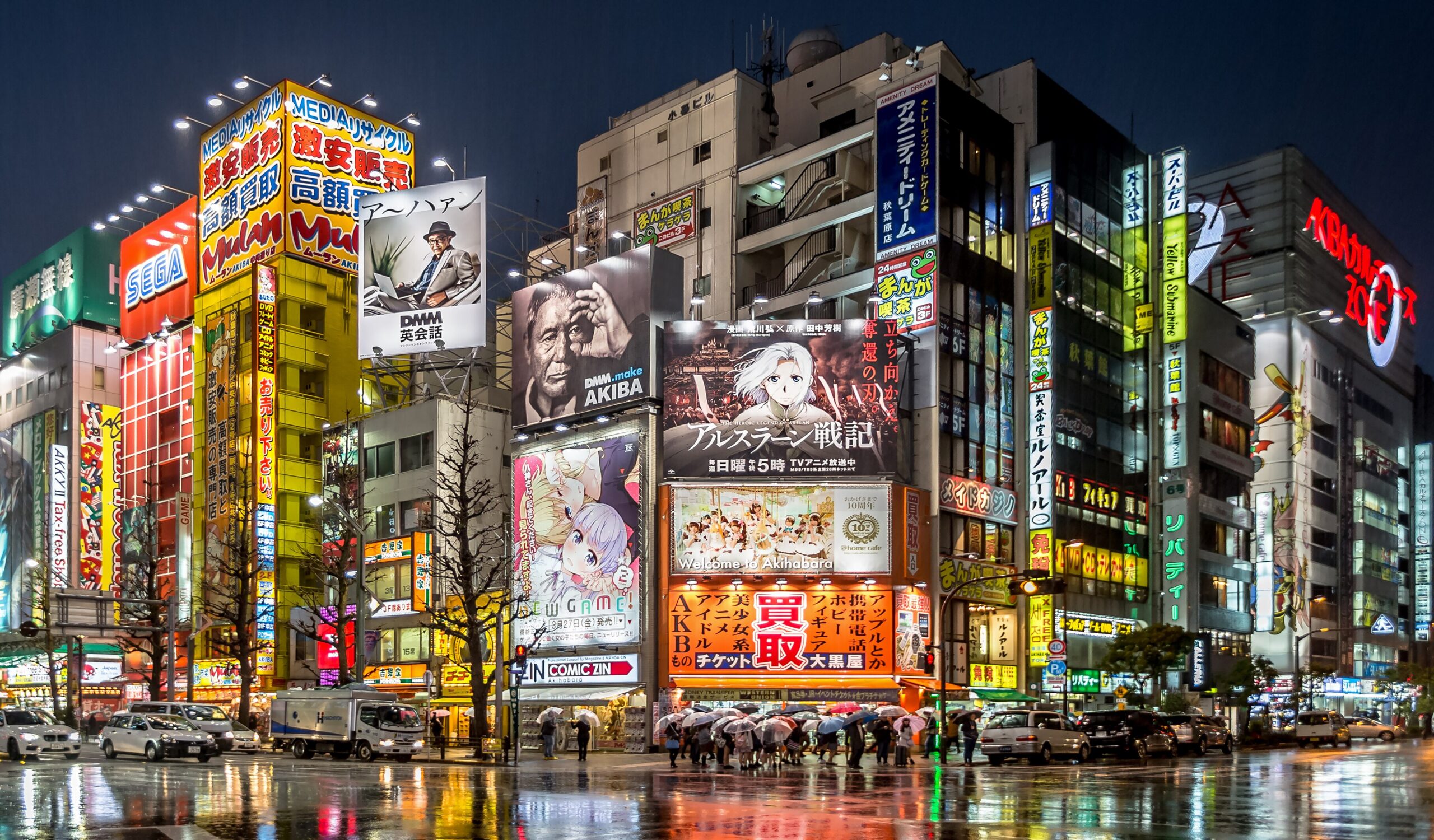
Amid central Tokyo’s rising land prices and skyscrapers, Kanda Myojin Shrine, lovingly known as Myojin-Sama, serves as a spiritual nucleus. For over twelve centuries, it has protected Kanda, Nihonbashi, Akihabara, and Otemachi, anchoring the city’s identity as both a guardian and a cultural symbol.
Founded in 730 by Makandaomi, a descendant of the Izumo priestly line, the shrine originally served a small community on the edge of Edo’s early settlement. Among its central figures is Daikokuten, the god of fortune, matrimony, and harvests, who is also the keeper of the underworld, a paradoxical deity blamed in ancient times for calamities. In 1309, the wandering monk Shinkyo Shonin of the Jishū school is said to have pacified the god’s darker energies, enabling the shrine to flourish.
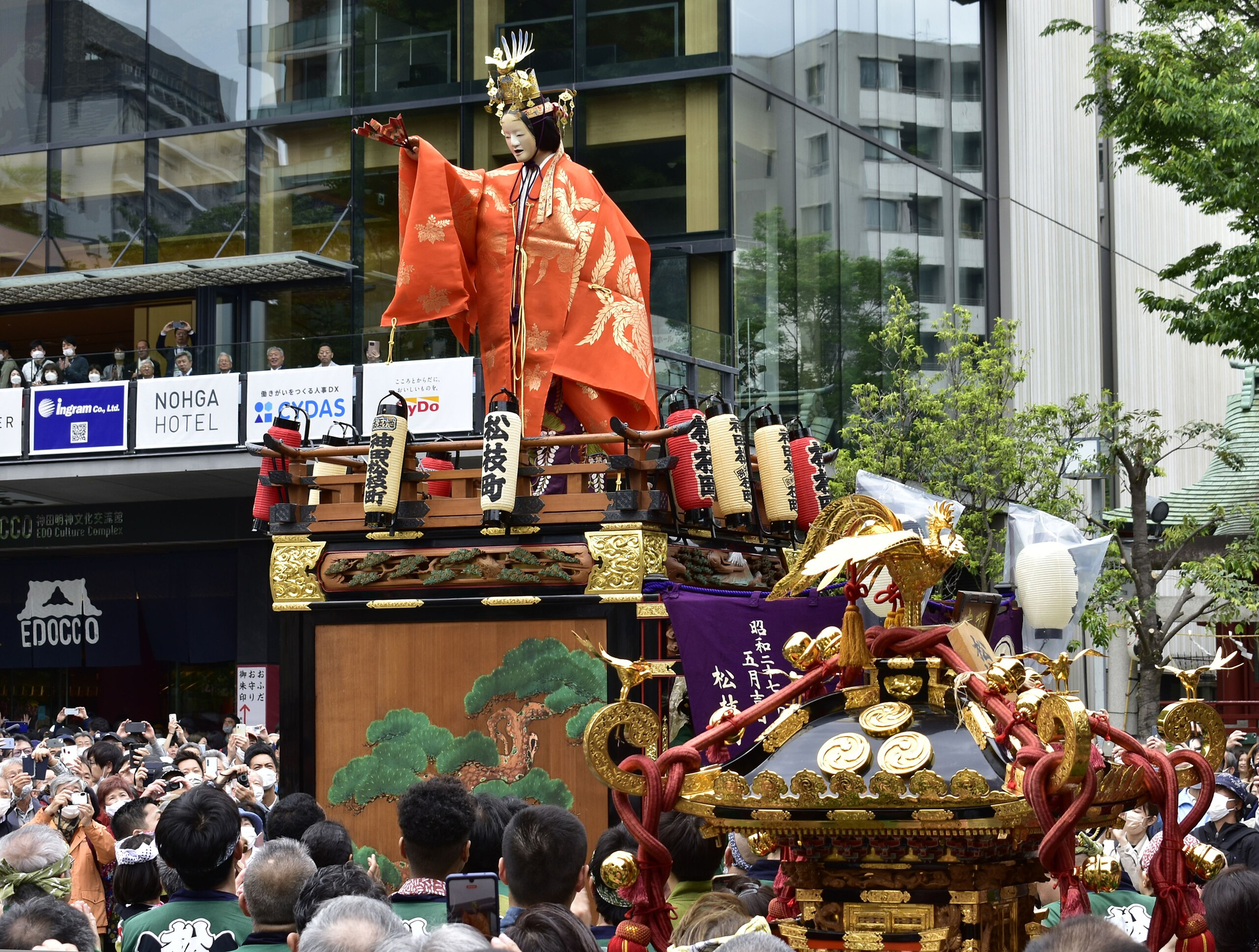
During a period of constant warfare, Kanda Myojin became a gathering place for ambitious warlords. None left a greater mark than Tokugawa Ieyasu, who prayed there before his victory at the Battle of Sekigahara in 1600. After that victory unified the country and established the shogunate, Ieyasu declared September 15 a holiday to be observed forever. From this proclamation, the Kanda Matsuri was born, now one of Tokyo’s three major festivals, and it is still held every odd-numbered year in May.
The shrine was relocated in 1616 to its current hillside location, aligned to protect Edo Castle at the kimon, the “demon gate” northeast of the fortress. Its placement was not merely for convenience; it was believed to shield the shogun’s city from evil spirits. During the long Pax Tokugawa, both citizens and samurai regarded it as a vital part of Edo’s unseen defenses.
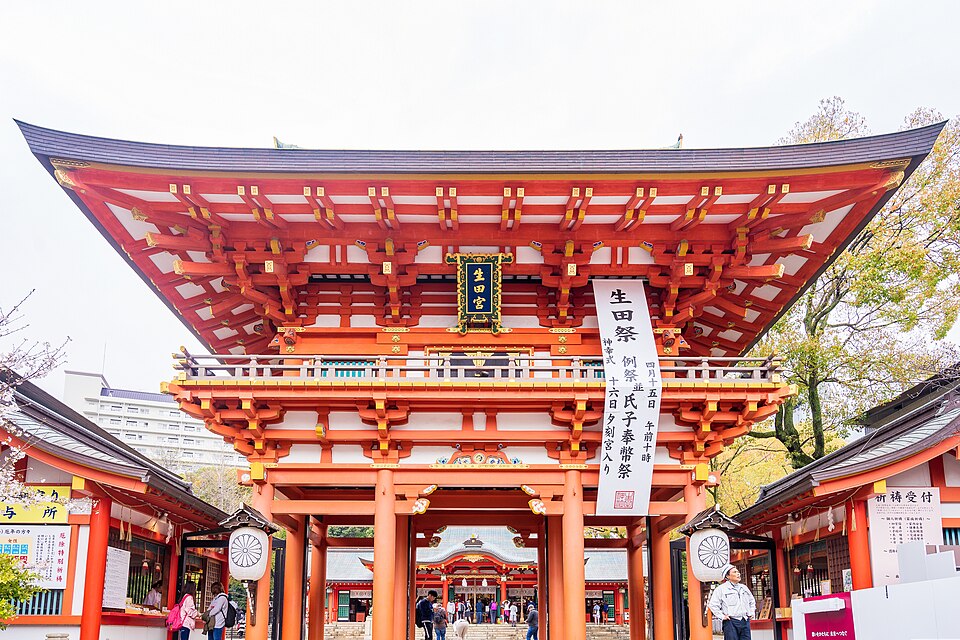
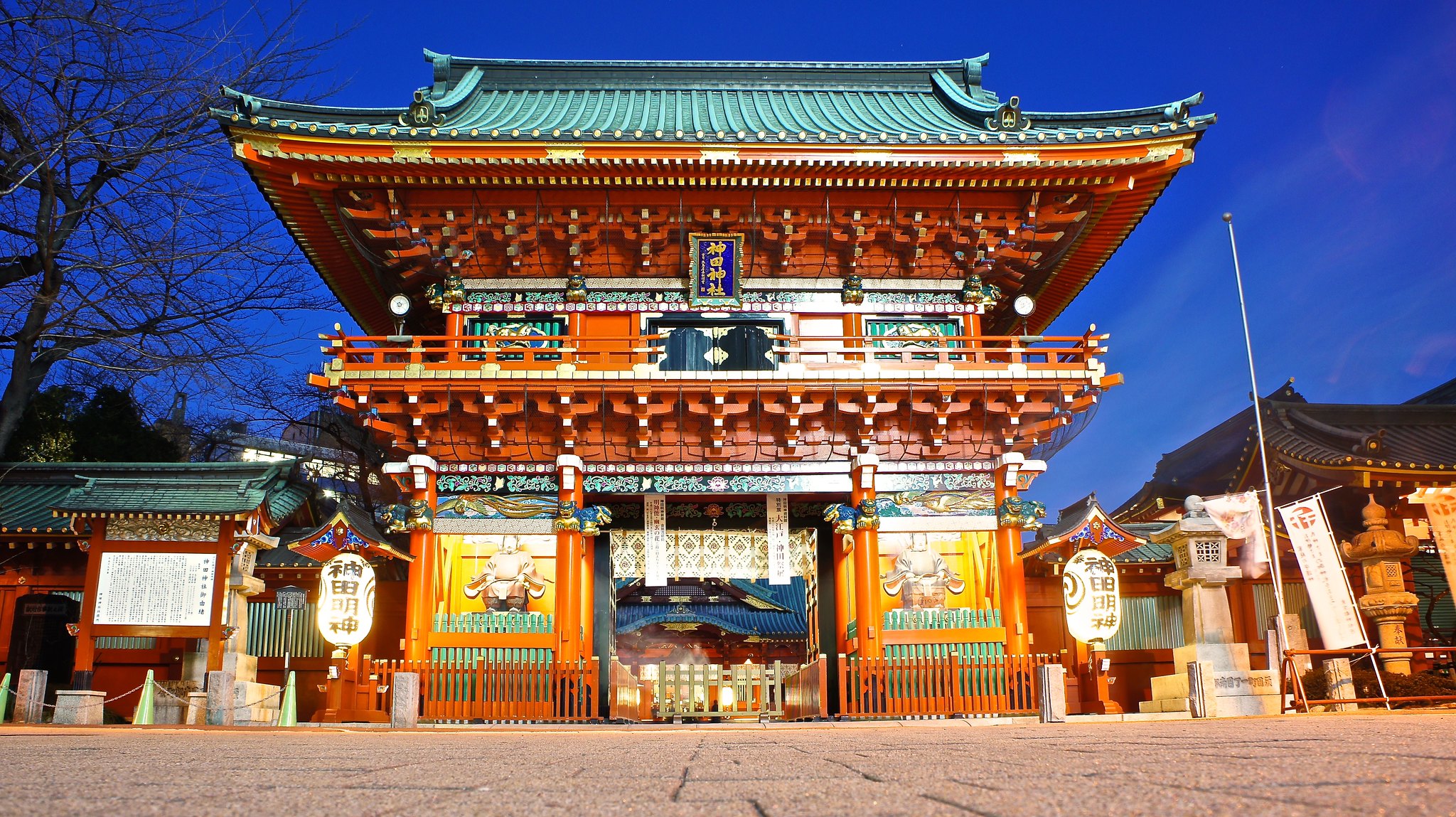
The Meiji Restoration sought to remove Buddhist influence from shrines, resulting in Kanda Myojin being renamed Kanda Shrine. Despite this, it continued to serve as the guardian of the capital, and in 1874, Emperor Meiji himself prayed there before the new imperial palace was built. However, the shrine’s stability was severely challenged. The Great Kantō Earthquake of 1923 destroyed its structures, but by 1934, it had been rebuilt with concrete and steel, symbolizing resilience through architecture. Yet it could not withstand the incendiary bombings of 1945, which left the grounds in ruins. It wasn’t until 1975 that the reconstruction of the Zuishinmon Gate restored its former vibrancy, a cedar-carved emblem of Edo’s grandeur.
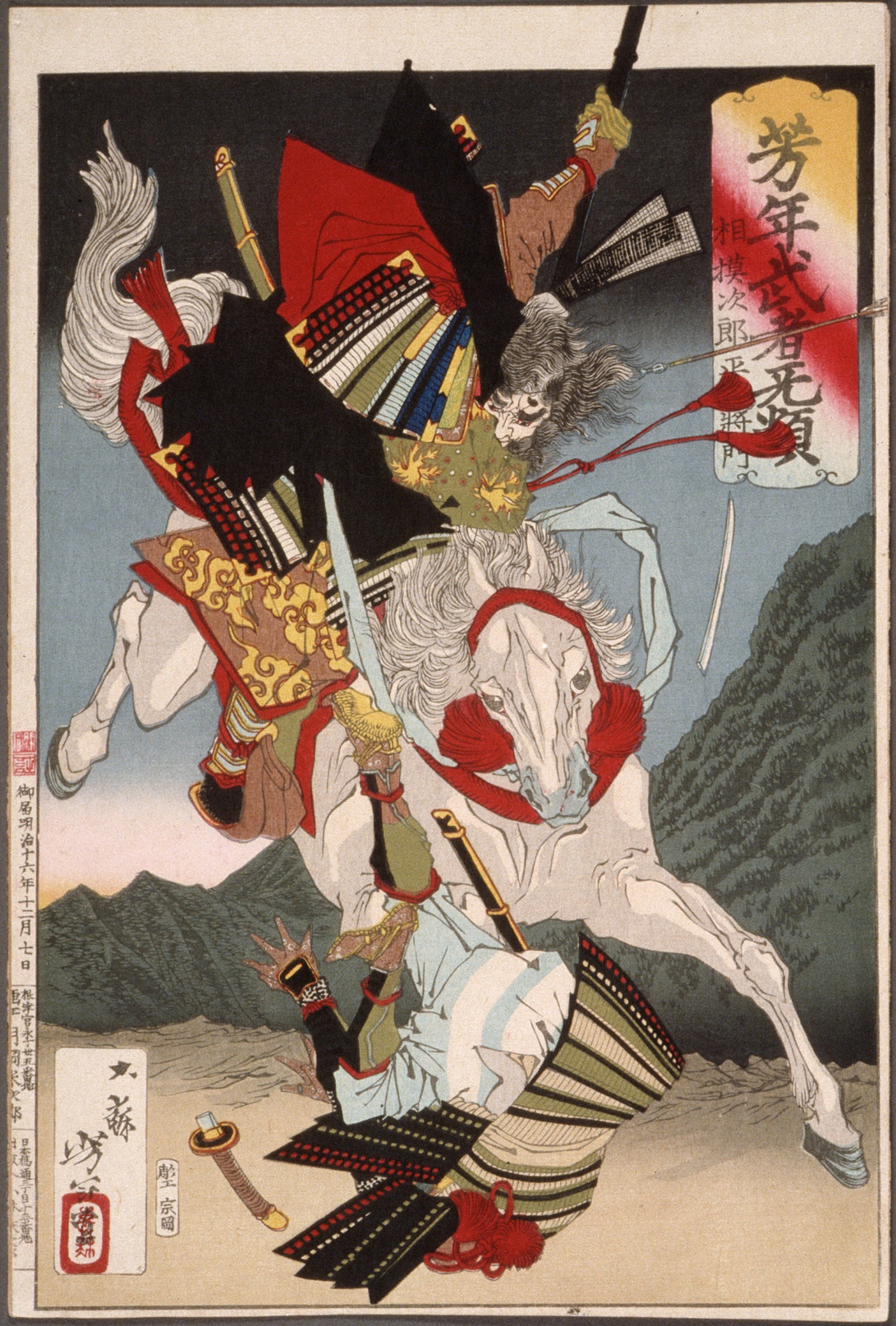
Three deities now share this sanctuary. Alongside Daikokuten stands Ebisu, the patron of fisheries and commerce, a cheerful figure often invoked by merchants and entrepreneurs. The third figure is more unsettling: Taira no Masakado, the Heian-era rebel executed for defying the court, enshrined here since 1309. Both feared and revered, Masakado is one of Japan’s most infamous vengeful spirits, with his head buried near the Imperial Palace. Local stories warn that attempts to move his kubizuka, the mound believed to contain his head, have caused mysterious illnesses and accidents, from collapsed construction projects to sudden deaths. Even today, office workers in Otemachi walk carefully near his memorial, a reminder that Tokyo’s prosperity is often built, sometimes uncomfortably, on ancient grudges.
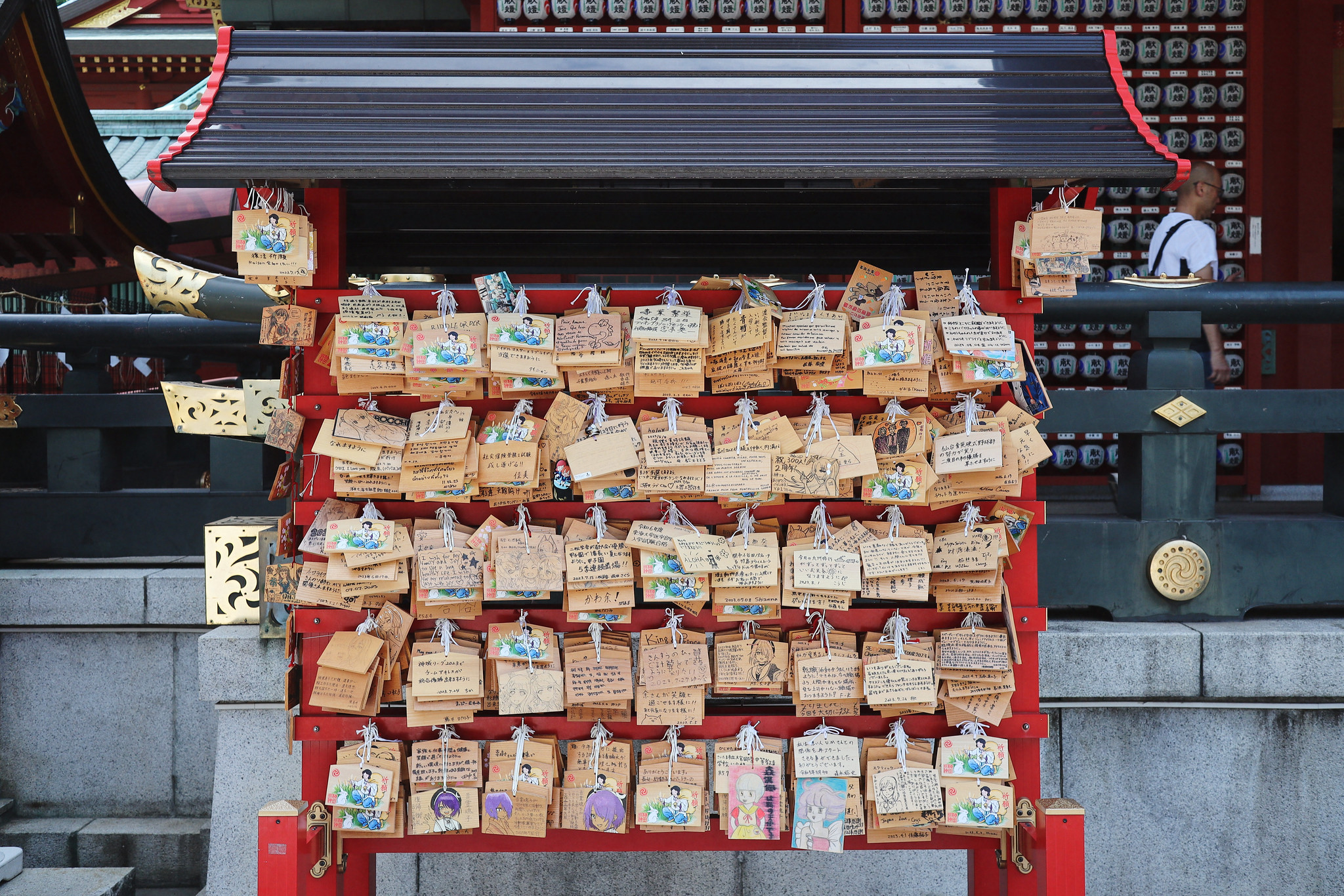
Despite its troubled history, Kanda Myojin remains one of Tokyo’s most adaptable shrines. Its proximity to Akihabara attracts the tech crowd. Here, you can purchase talismans to protect laptops and phones or read ema plaques adorned with anime illustrations. Businesspeople from Marunouchi come to pray for success, while families celebrate milestones at the nearby Myojin Kaikan. Weddings, Shichi-Go-San ceremonies, and even corporate blessings take place under its watch.
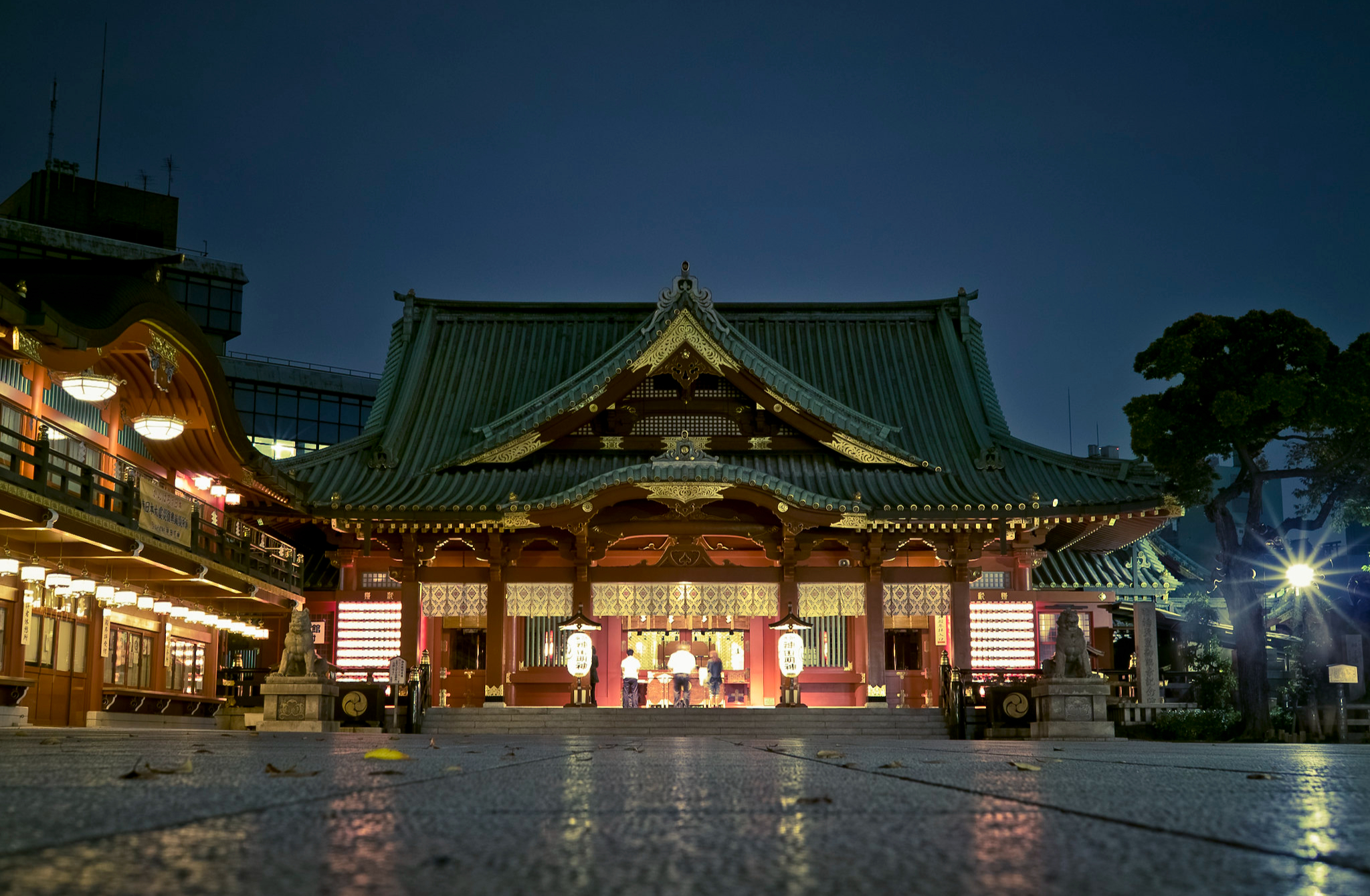
Modernity playfully merges with tradition: the shrine has partnered with Inuyasha, Animal Crossing, and My Hero Academia, while crane machines dispense fortunes in an arcade setting. Yet in the evening, as the lanterns glow and the tall gate turns red against the darkness, the place reverts to something older. The air shifts, the crowd thins, and the shrine’s role as Tokyo’s ancient gateway feels closer again. The veil here seems thin, as if both Edo and the unseen world still stand just beyond its bright gates.
Let MK Guide you to Tokyo’s Living Nucleus
From shoguns who prayed before battle to vengeful spirits feared by emperors, Kanda Myojin holds the city’s unseen core. Let MK walk with you through vermilion gates, where merchants seek fortune, anime fans leave painted ema, and at night, lanterns reveal a shrine that still binds Tokyo’s past, present, and hidden worlds together.
Let MK Guide Your Journey
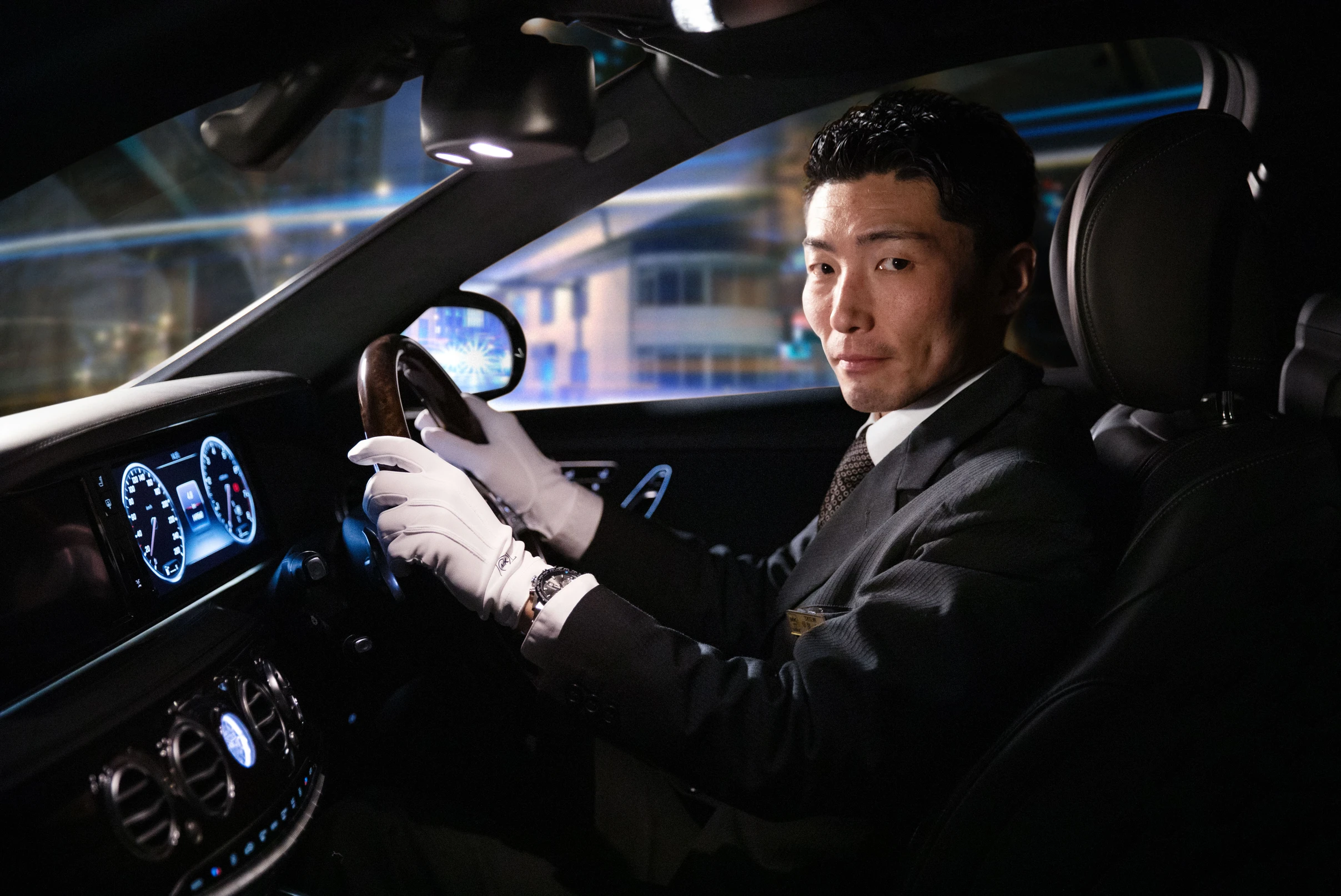
Let MK be your trusted guide through Japan. With local expertise, luxury vehicles, and English-speaking drivers, we create seamless, personalized journeys designed to make every experience effortless and unforgettable.
Plan your trip now with MK Guide.