Engyō-ji Temple — Sacred Heights Above Himeji
Perched 371 meters above Mt. Shosha, where untouched forest still clings to the ridges, stands Engyō-ji, a Tendai Buddhist temple complex founded in 966. For over a millennium, emperors, generals, and pilgrims have climbed to seek blessings and renewal. Today, it remains both a sacred peak of the Saigoku Kannon pilgrimage and a cinematic landmark recognized worldwide for its role in The Last Samurai.
A Sacred Pilgrimage Peak
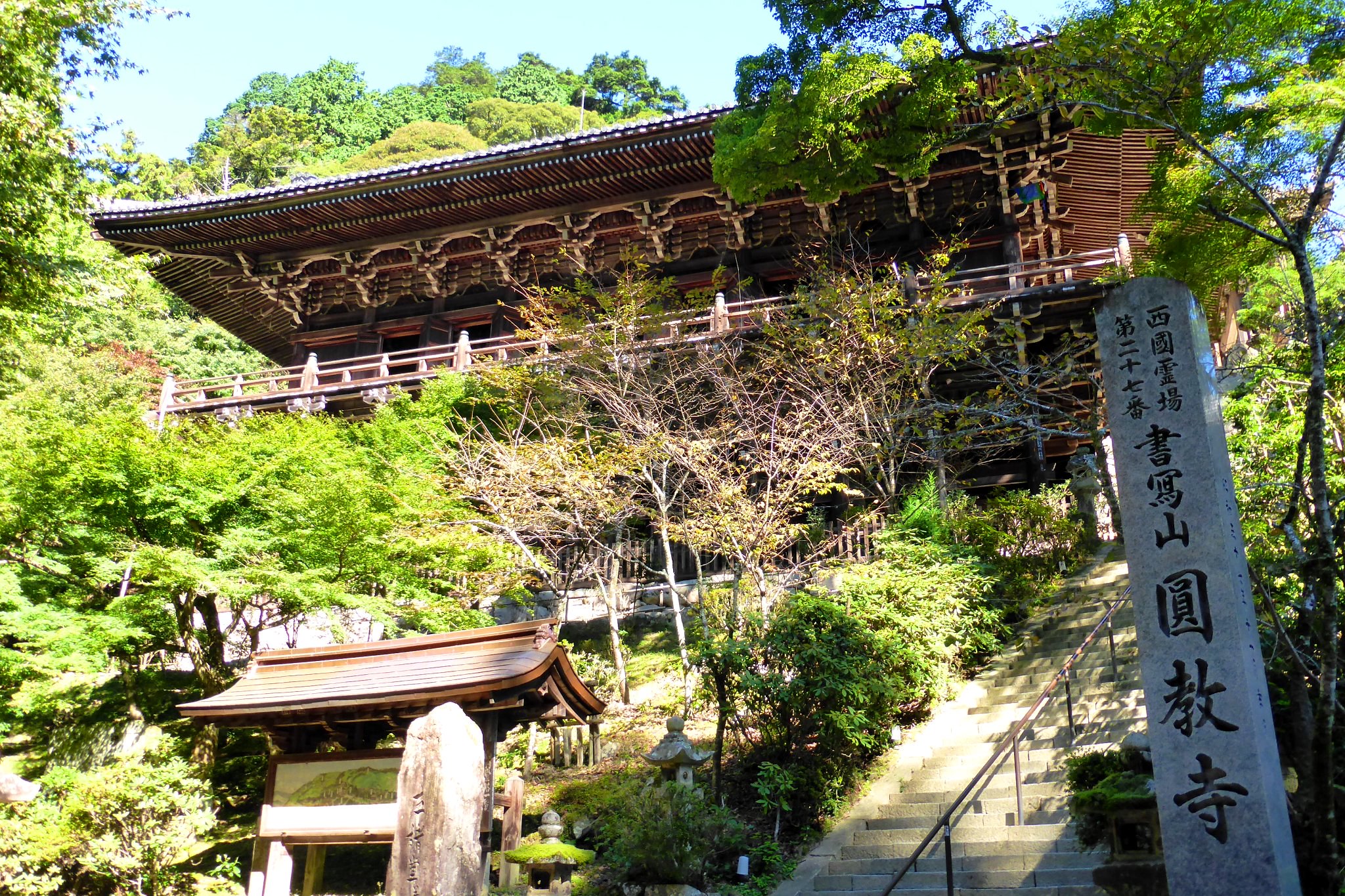
Engyō-ji is the 27th stop and the largest temple on the 33-temple Saigoku Kannon pilgrimage, dedicated to Kannon, the bodhisattva of mercy who manifests in 33 forms. For believers, this mountain has long marked the threshold between the human and divine. Shoku Shonin, the temple’s founder, first built a hall after witnessing a celestial maiden circling a cherry tree. From that tree, he carved an image of Kannon and placed it at the heart of the sanctuary.
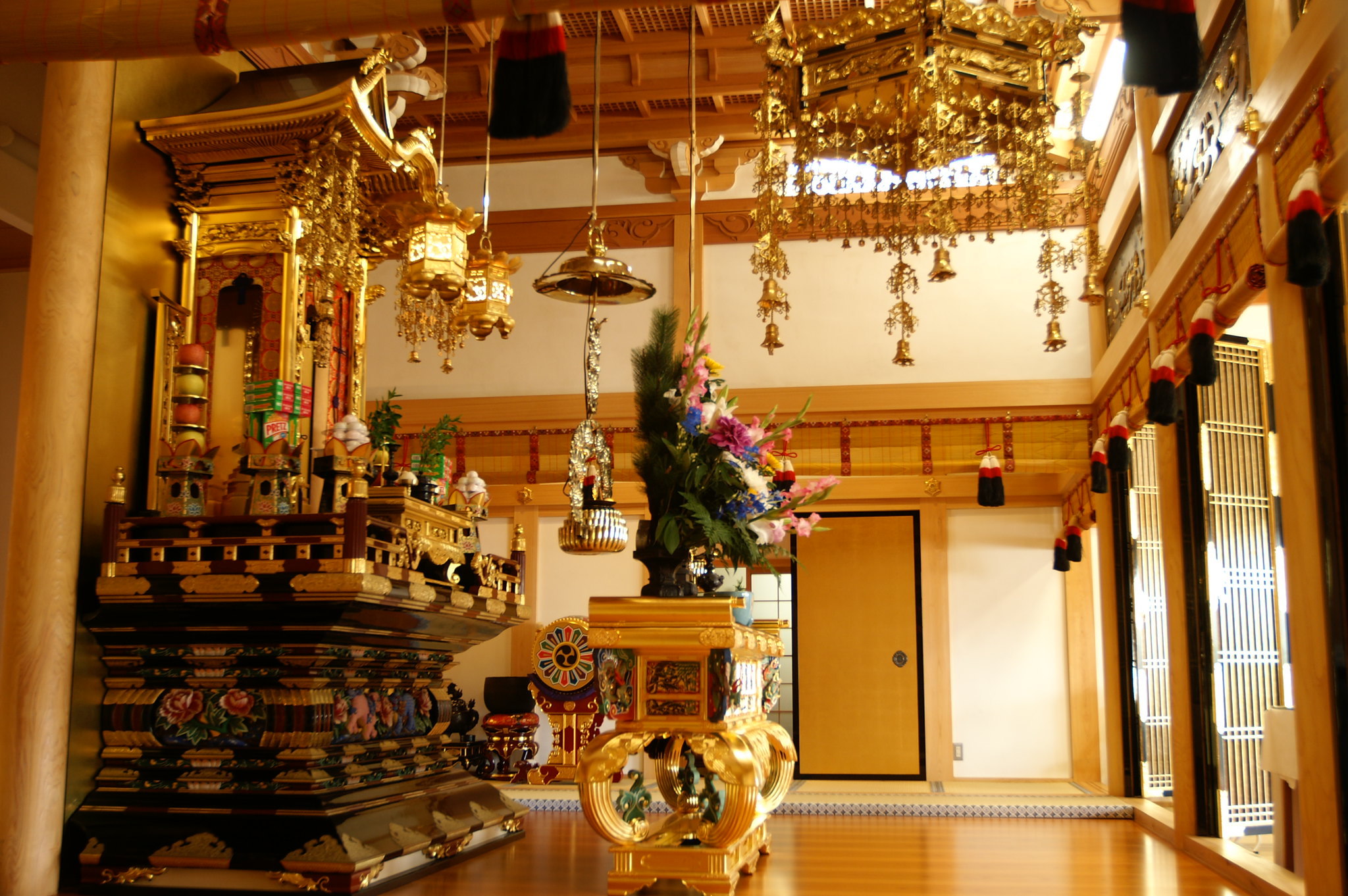
Although the original Maniden Hall was lost during the Taishō era, the rebuilt structure, perched on stilts against the slope, still draws worshippers. Visitors approach through the Nimon Gate, crossing from the secular into the sacred before entering a precinct of halls, pagodas, and courtyards divided into three zones.
Temple of Warriors and Emperors
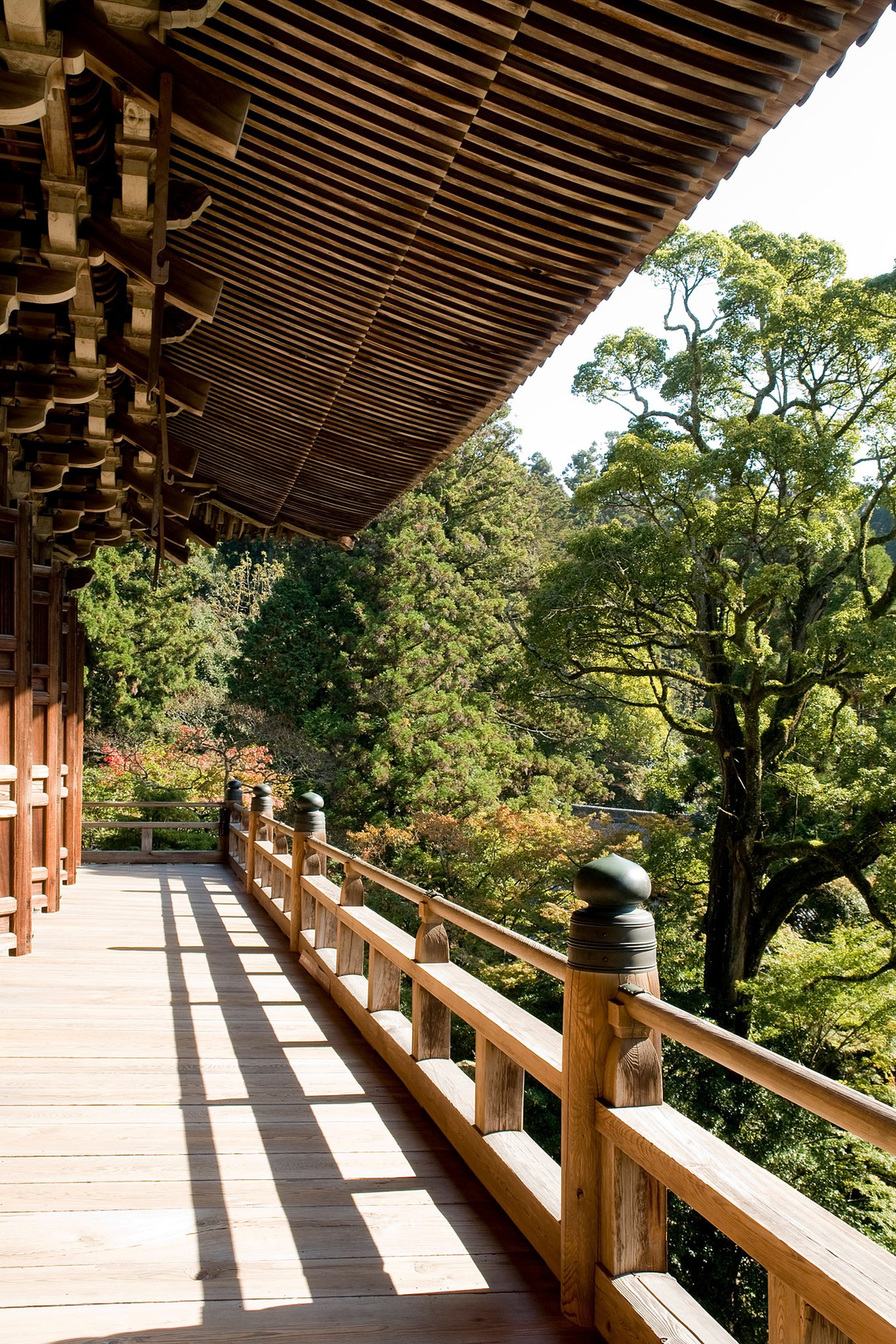
Engyō-ji has long drawn power and devotion. Imperial envoys once prayed here for national protection, and during the medieval period its monks wielded influence rivaling that of Mt. Hiei. In the Sengoku era, daimyō such as Toyotomi Hideyoshi offered gifts, strengthening bonds among temple, throne, and sword. These layers of patronage gave the mountain enduring authority.
That gravitas later drew filmmakers: Engyō-ji’s solemn halls became key locations in The Last Samurai. Tom Cruise’s cedar-lined walk echoed centuries of pilgrims and generals, bringing the temple’s presence to a global stage.
Walking Among the Halls of History

The complex naturally divides into three areas. At its center stands Maniden Hall, a living site of prayer. Further in, the great wooden halls Daikōdō, Jikidō, and Jōgyōdō, collectively known as the Mitsunodō, rise across the ridge. Built during the Muromachi period, these vast structures once housed monks for study and practice. Their austere, weathered beauty has earned them designation as Important Cultural Properties.
Beyond them lie smaller shrines, memorial towers, and secluded sub-temples. The landscape itself shapes the pilgrimage: moss, cedar roots, and stone lanterns line winding paths, and sudden openings reveal sweeping views of the Harima Plains.
Accessing the Mountain Temple
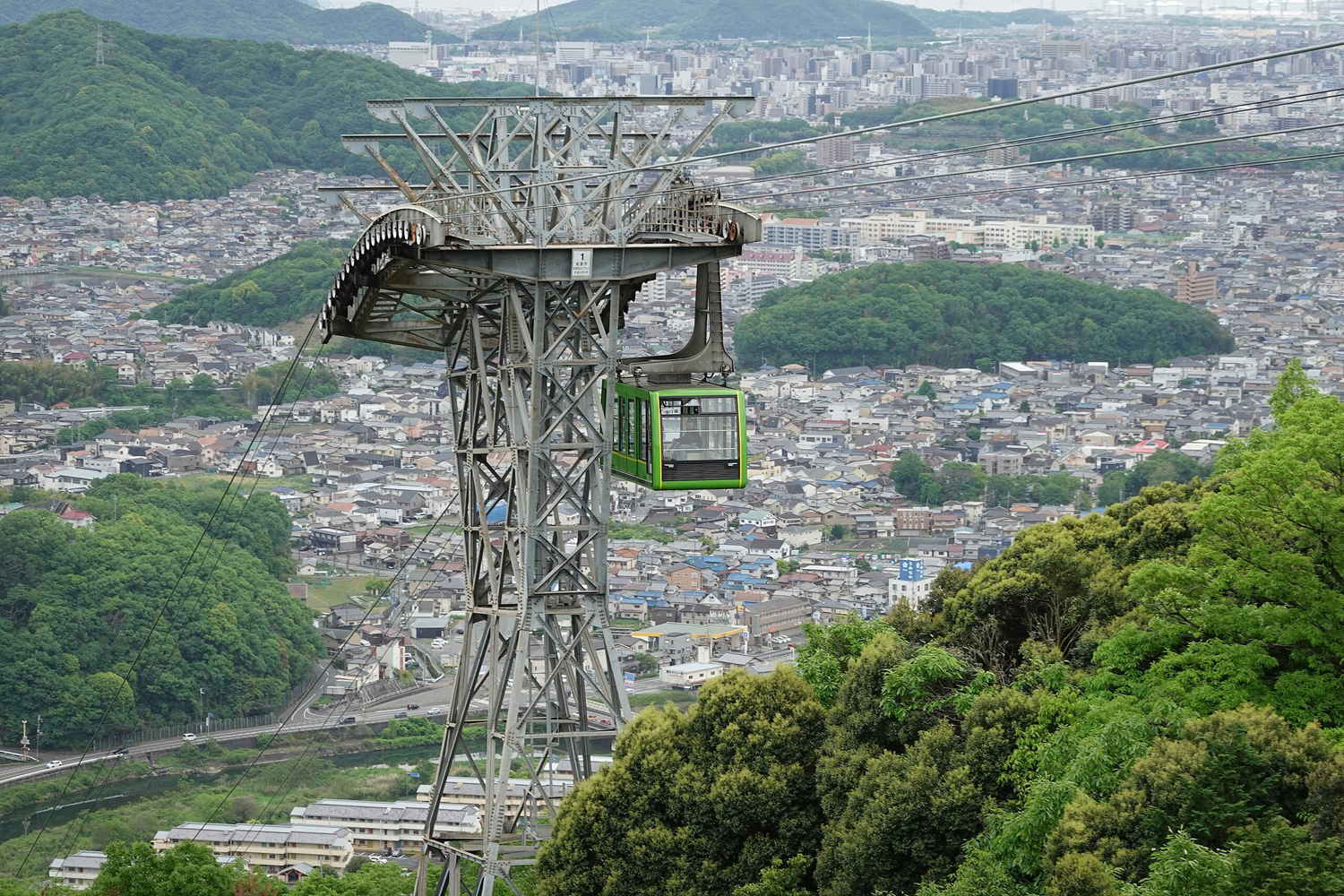
Northwest of Himeji City, between the Yumesaki and Sugo rivers, Engyō-ji is most easily reached by the Mt. Shosha Ropeway, which lifts visitors above the valley forest to the temple approach. For those seeking the old way, the original pilgrimage trails remain steep, shaded routes that recall the endurance once demanded of ascetics.
Living Tradition
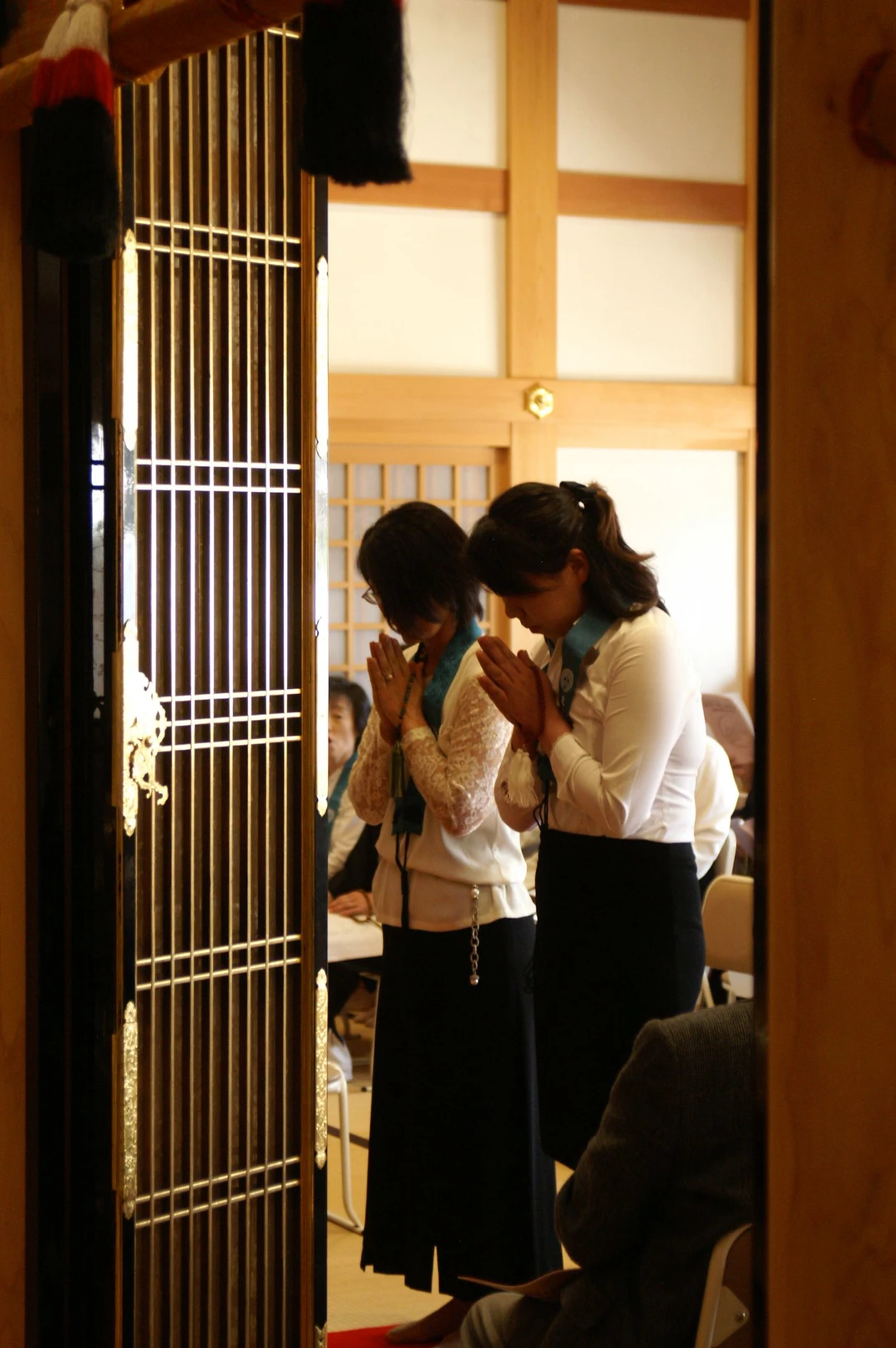
Though many visit for the scenery or the cinema, Engyō-ji endures foremost as a place of faith. Daily ceremonies continue at Maniden Hall, while seasonal rituals celebrate Kannon’s compassion. The temple is no museum; it lives, resonating with more than a thousand years of prayer. To step onto Mt. Shosha is to join an unbroken thread of devotion, where cherry blossoms fall on ancient beams, where monks once prayed for emperors, and where pilgrims still whisper sutras beneath towering trees. Engyō-ji rises as a mountain of memory, mercy, and stillness above the restless city of Himeji.
The MK Take
Let MK GUIDE you beyond the walls of Himeji Castle and into the sacred forests of Mt. Shosha. Engyō-ji Temple is more than a film location or a mountain hike. It is a living tradition of devotion, where history, architecture, and faith come together high above the city below.
Image credit
- Engyo-ji, Mani-den -1 (October 2016)" by Tetsuhiro Terada, CC BY 2.0
- Engyohji Temple" by Hyougushi, CC BY-SA 2.0
- 圓教寺 摩尼殿 - panoramio" by Hotate Chan, CC BY-SA 3.0
- 書寫山 圓教寺" by o331128, CC BY-SA 2.0
- Umako, CC0, via Wikimedia Commons
- Engyohji Temple" by Hyougushi, CC BY-SA 2.0
Let MK Guide Your Journey

Let MK be your trusted guide through Japan. With local expertise, luxury vehicles, and English-speaking drivers, we create seamless, personalized journeys designed to make every experience effortless and unforgettable.
Plan your trip now with MK Guide.