Chikubushima Island — Where the Sun, Moon, and Spirits Meet
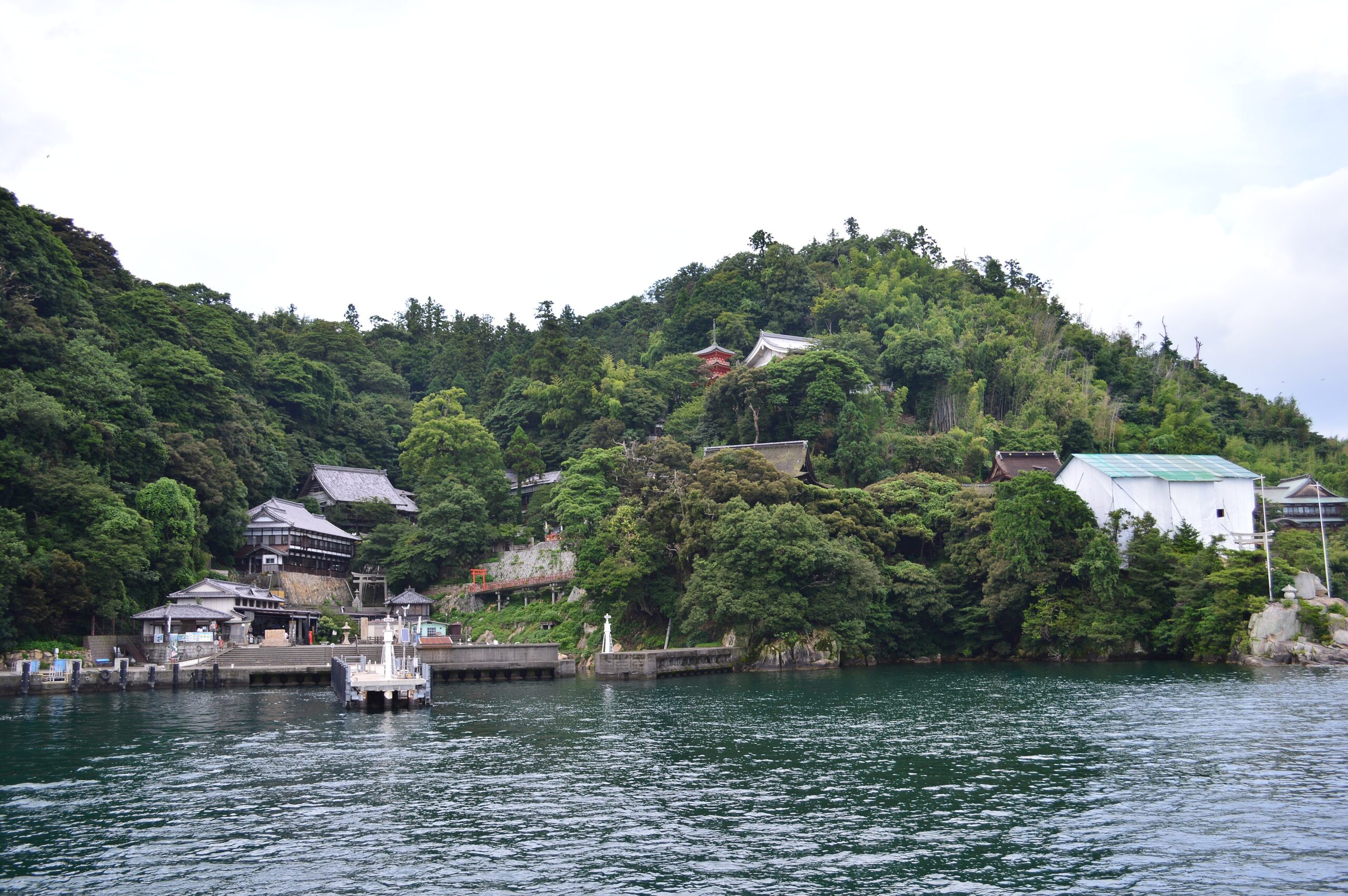
In the north of Lake Biwa, a two-kilometer island floats like a vision from another age—veiled in mist, myth, and memory. Chikubushima, known since ancient times as “the Island of the gods,” has long been considered a power spot—a place where the qi flows strongly, where energies converge, and something more than scenery lingers in the air. It’s not superstition. It’s legacy. For over 1,300 years, pilgrims, poets, and seekers have crossed the waters in search of peace, revelation, and a glimpse beyond.
The island is home to Hōgon-ji, temple number 30 on the Saigoku Kannon Pilgrimage (a revered circuit of 33 Kannon temples across western Japan). Founded in 724 when Emperor Shōmu ordered the monk Gyōki to establish it following a divine vision from Amaterasu, the sun goddess, it was promised that those who came with faith would be granted peace, abundant harvests, and happiness.

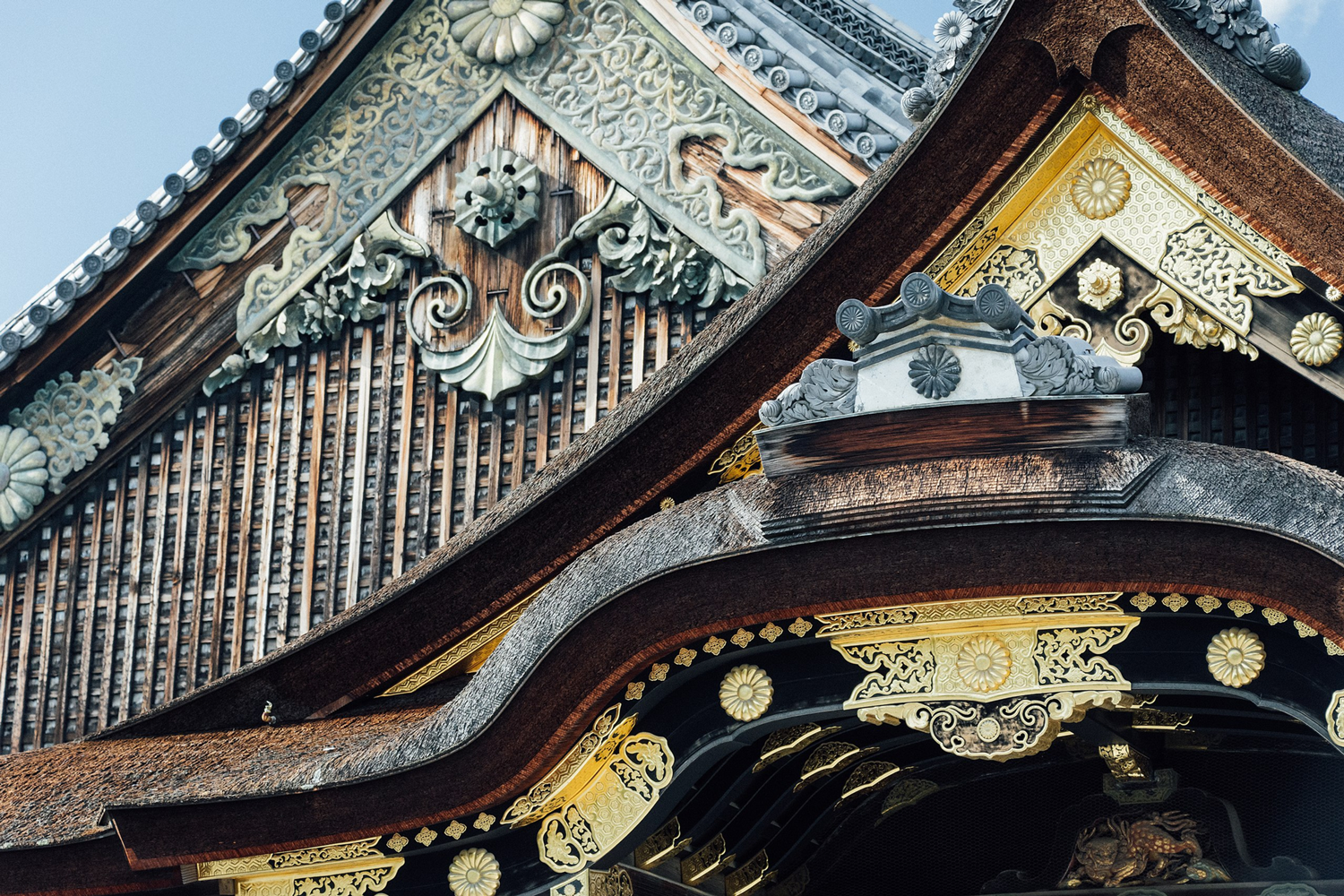
At the heart of Hōgon-ji’s worship is Benzaiten—goddess of music, eloquence, and fortune. This makes Chikubushima one of Japan’s Three Great Benzaiten Temples, alongside Enoshima and Itsukushima. The temple’s vivid reds, curving eaves, and steep stone steps create an atmosphere thick with reverence and old-world beauty. Worshippers still crowd the halls, their prayers echoing down to the shores.
_Seated_on_a_White_Dragon_MET_DP135895.jpg)
Also on the island is Tsukubusuma Shrine, a Shinto sanctuary whose main hall is designated a National Treasure. Built with materials salvaged from the original Osaka Castle before its destruction in World War II, it is a rare architectural palimpsest—one foot in history, the other in myth.

.jpg)
Even the arts remember this place. “Chikubushima”, a classical noh song, praises the island’s sacred harmony between land and water, sun and moon, god and human.

It takes only 30 minutes by ferry to reach Chikubushima, but it offers far more than a day trip. It offers a liminal pause. A moment of silence between the modern and the eternal. Whether you’re a spiritual seeker, a cultural anthropologist, or just someone craving something ancient and real, the island is waiting.

Let MK Be Your Guide to the Sacred Waters of Shiga

Part of MK’s curated Shiga itineraries, a visit to Chikubushima offers more than temples and torii—it’s a spiritual crossing. With your private English-speaking driver-guide and seamless ferry transfer from Lake Biwa’s northern shore, the experience is smooth from start to shrine. Arrive in quiet comfort, depart with something more than memories.
Plan your trip now with MK Guide.