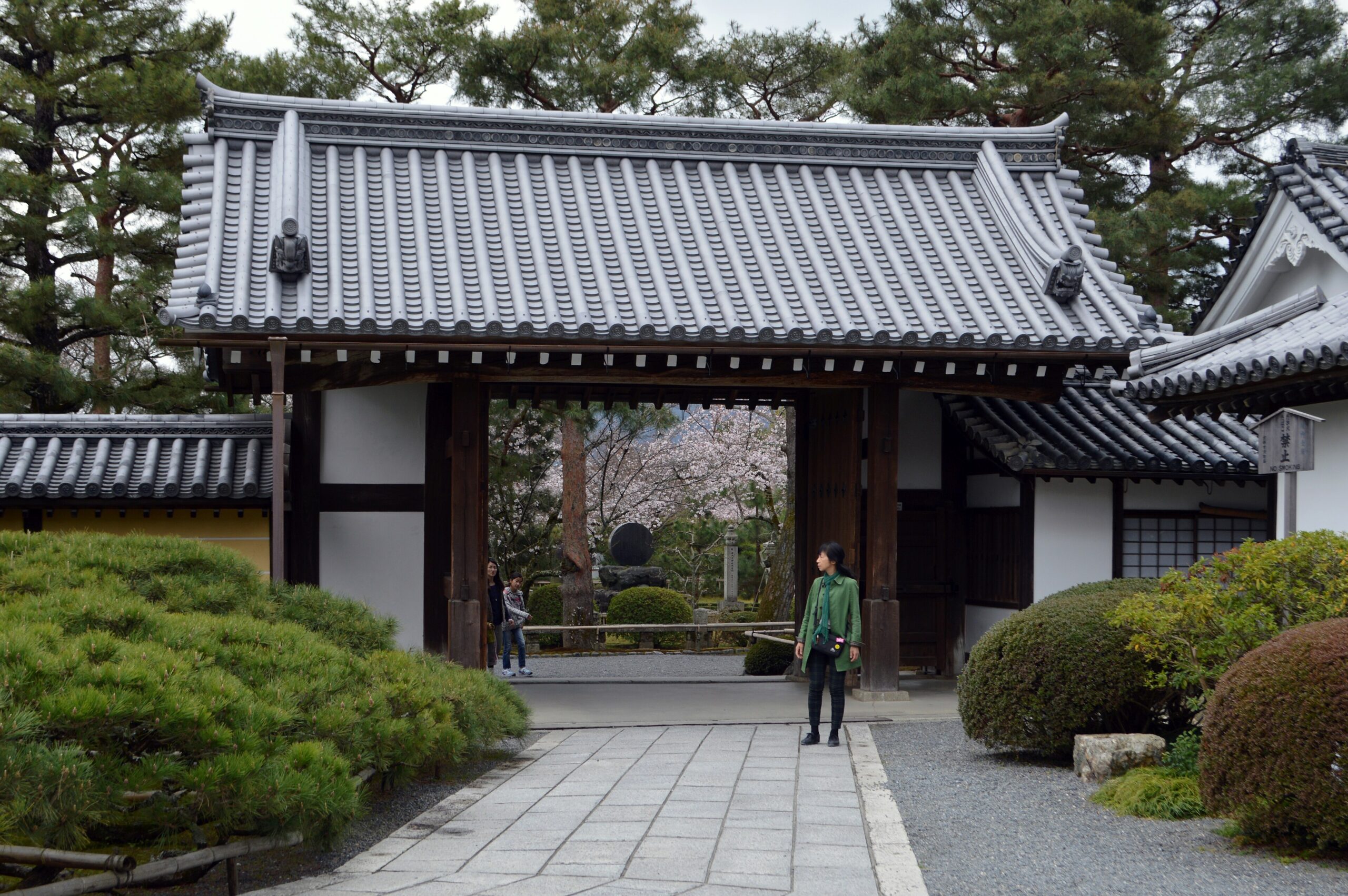
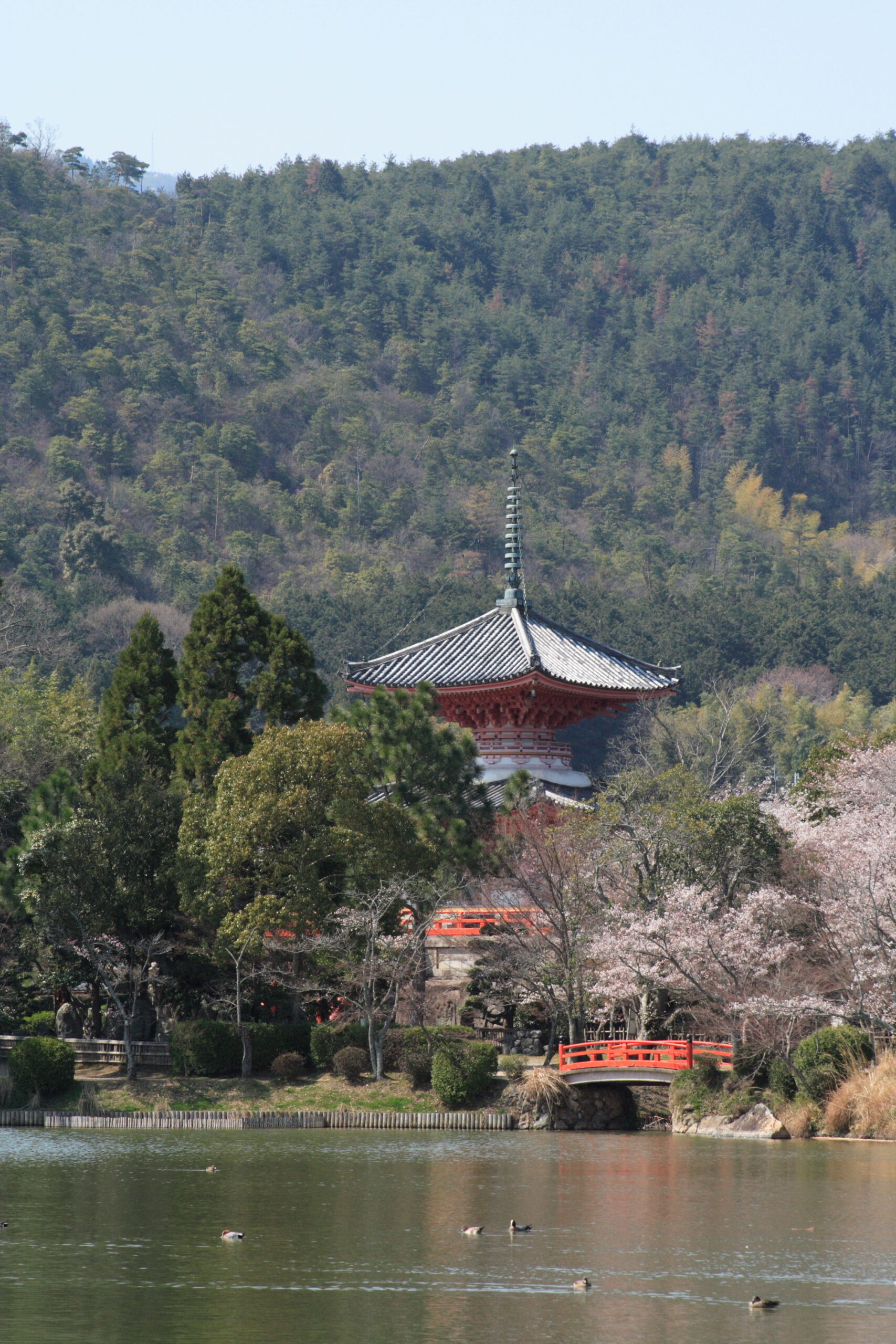
A historic Shingon Buddhist temple in Kyoto that was originally an imperial villa, famous for its peaceful Ōsawa Pond and extensive cultural history.
MK Guide Recommends
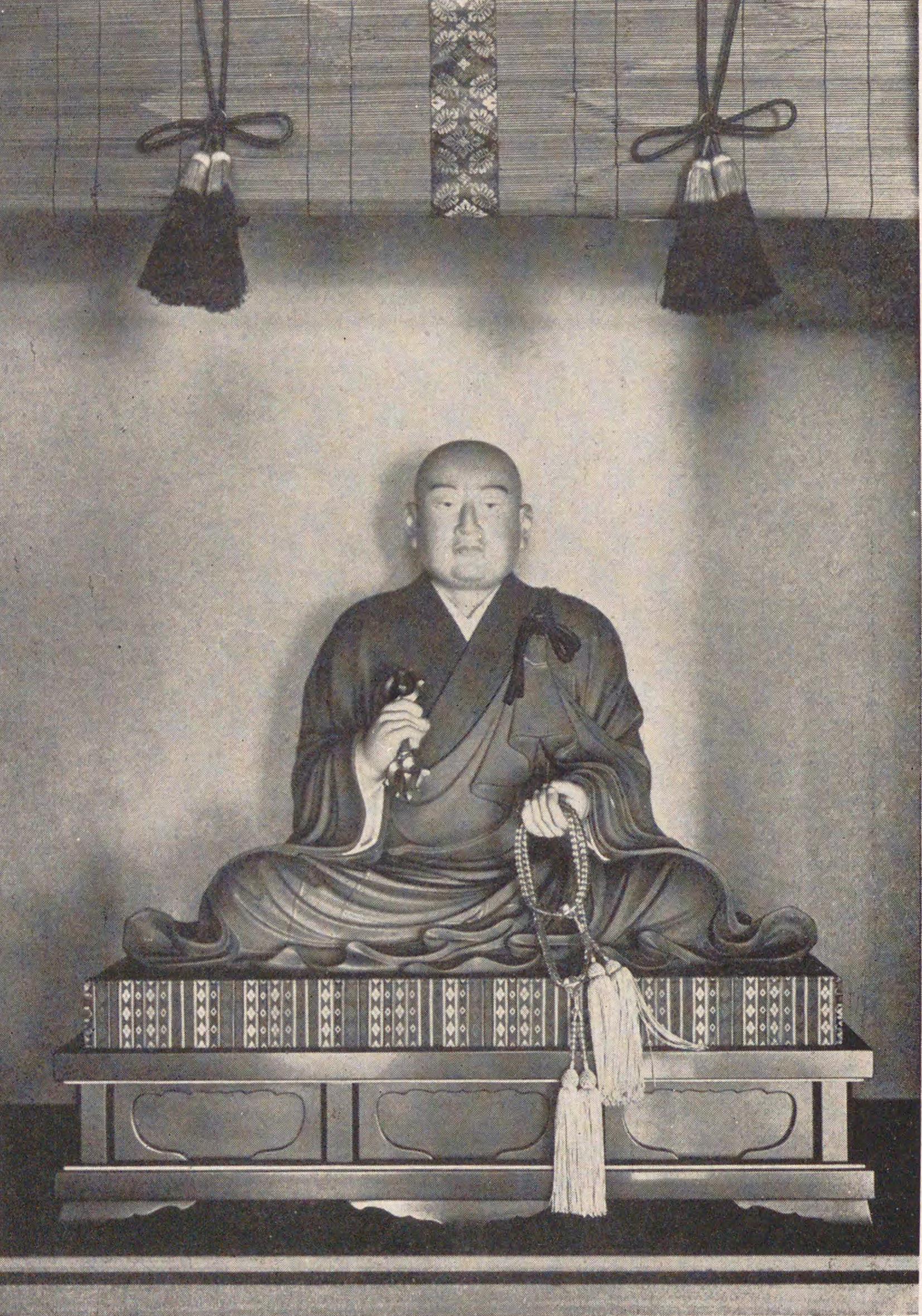
With a history spanning more than 1,200 years, it was once the imperial villa of Emperor Saga, the 52nd emperor of Japan, and played an important role in establishing Heian-kyō as the capital, now known as Kyoto. He’s also known as the first emperor to make tea drinking a thing. After his death, the villa was converted into one of the highest-ranking Shingon Buddhist temples, Shingon meaning “the truth revealed by Buddha.”
The complex is hidden within the busy Arashiyama bamboo grove, with trail signs pointing to one of its entrances. Despite the nearby traffic, the crowds are sparse, offering a welcome respite from the area’s hustle and a chance to enjoy the bamboo without getting hit in the head with a selfie stick. The picturesque Ōsawa Pond is the defining feature of this massive complex and one of the oldest artificial ponds in Japan, popular with visitors on its moon-viewing nights. The moonlight on the still pond brings a stillness of thought to those who observe.
A temple with a bewildering amount of history for those who are inclined to uncover its inner workings and explore beneath the surface that is presented. Say hello to a monk to learn more, just don’t interrupt their meditation. A great spot to recharge before heading back into the crowds.
Facilities & Services
- Open daily from 9:00 AM to 5:00 PM (last admission at 4:30 PM)
- Admission fees: Adults ¥500; Children (elementary to high school) ¥300
- Seasonal boat rides on Ōsawa Pond during special events
- Hosts annual moon-viewing festivals and ikebana exhibitions
- No on-site parking; public transportation recommended
Contact

Plan your trip now with MK Guide.