Ishiyama-dera — Where Literature Was Born and Gold Was Found
In my less cultured years, addicted to the neon chaos of Japan’s city life and the dopamine drip of modernity, I used to say, “If you’ve seen one temple, you’ve seen them all.” I cringe now. Six years removed from that mindset and having swallowed my fair share of humble pie, I’ve come to understand that every temple in Japan holds a unique story if you’re willing to pry around the edges. One of the deepest joys of writing MK Deep Dives has been rediscovering these sacred mysteries. I still remember the moment that shifted everything: standing in front of an unassuming temple in Tokyo when my brother asked, “I wonder who built this and why?”
That question led me here.
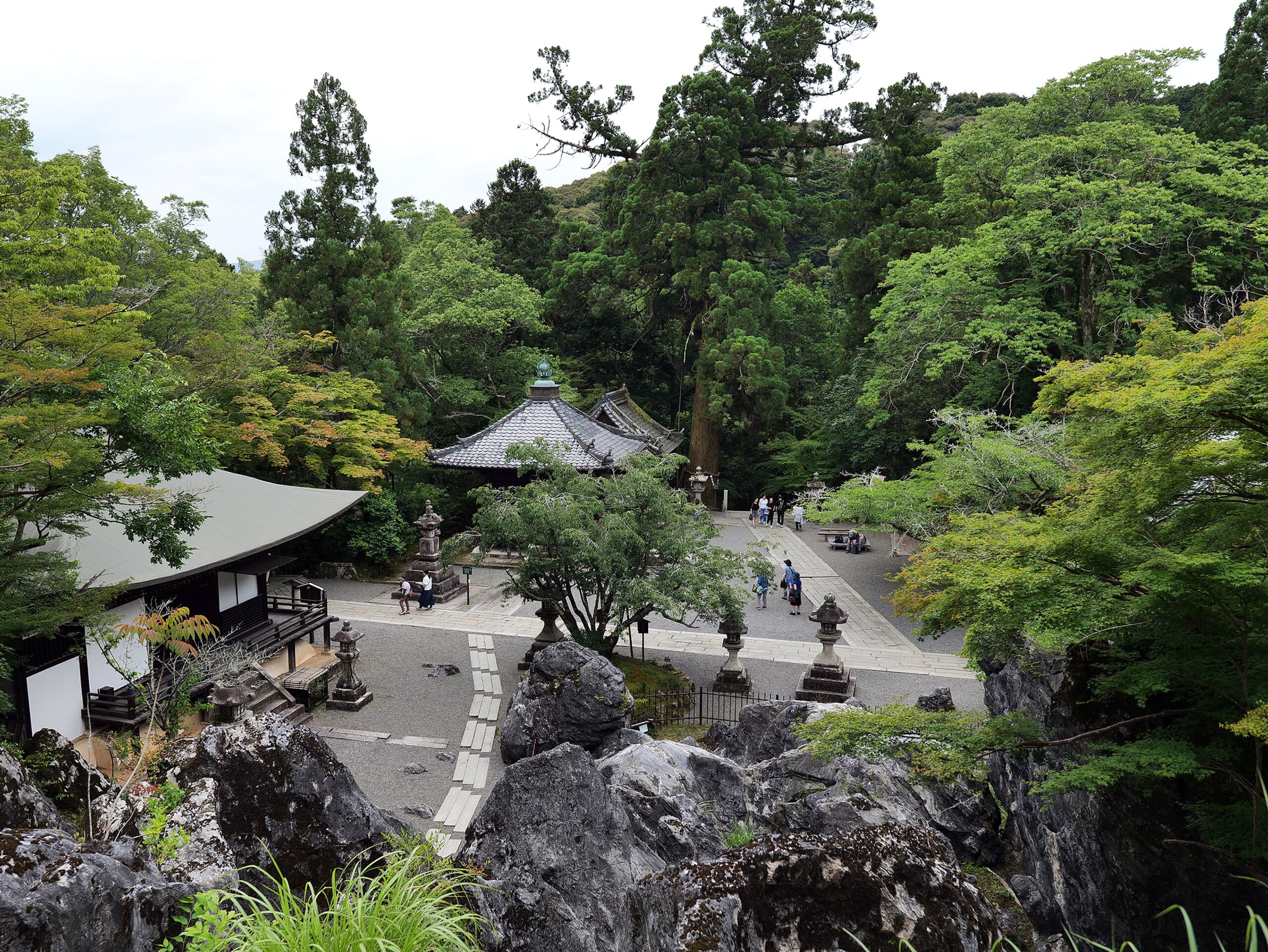
Ishiyama-dera is no ordinary temple. Nestled along the banks of the Seta River, overlooking expansive Lake Biwa and only 30 minutes from Kyoto, it is the birthplace of The Tale of Genji, considered the world’s first novel. Murasaki Shikibu, a 11th-century lady-in-waiting, found her muse here beneath the full moon, her imagination ignited during a night of Heian-era solitude. That spark became 54 chapters and over 800 waka poems, a literary masterwork that would crown her as Japan’s Shakespeare.
Bring a notebook. This place has a way of shaking loose the stories trapped inside you.
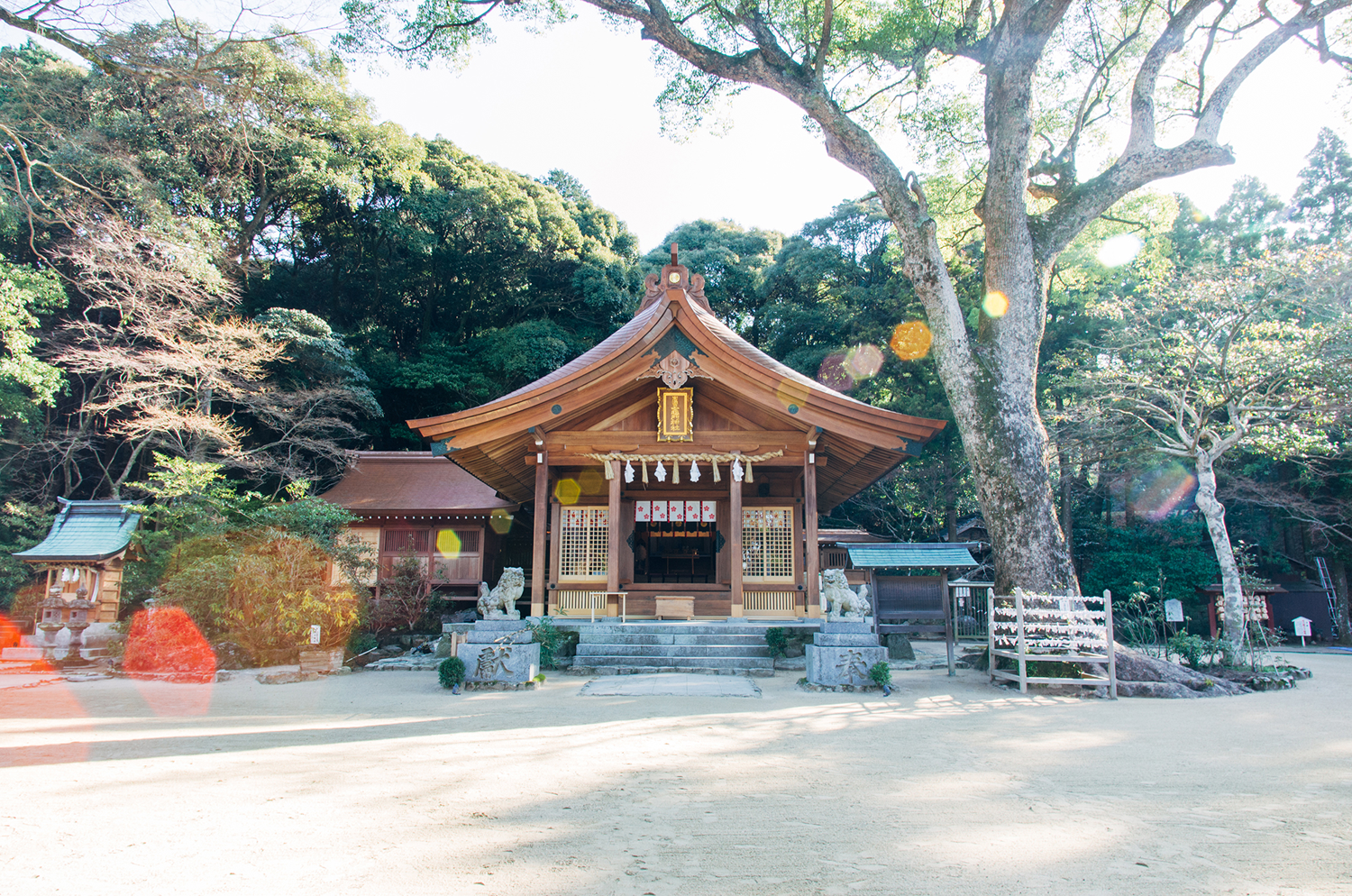
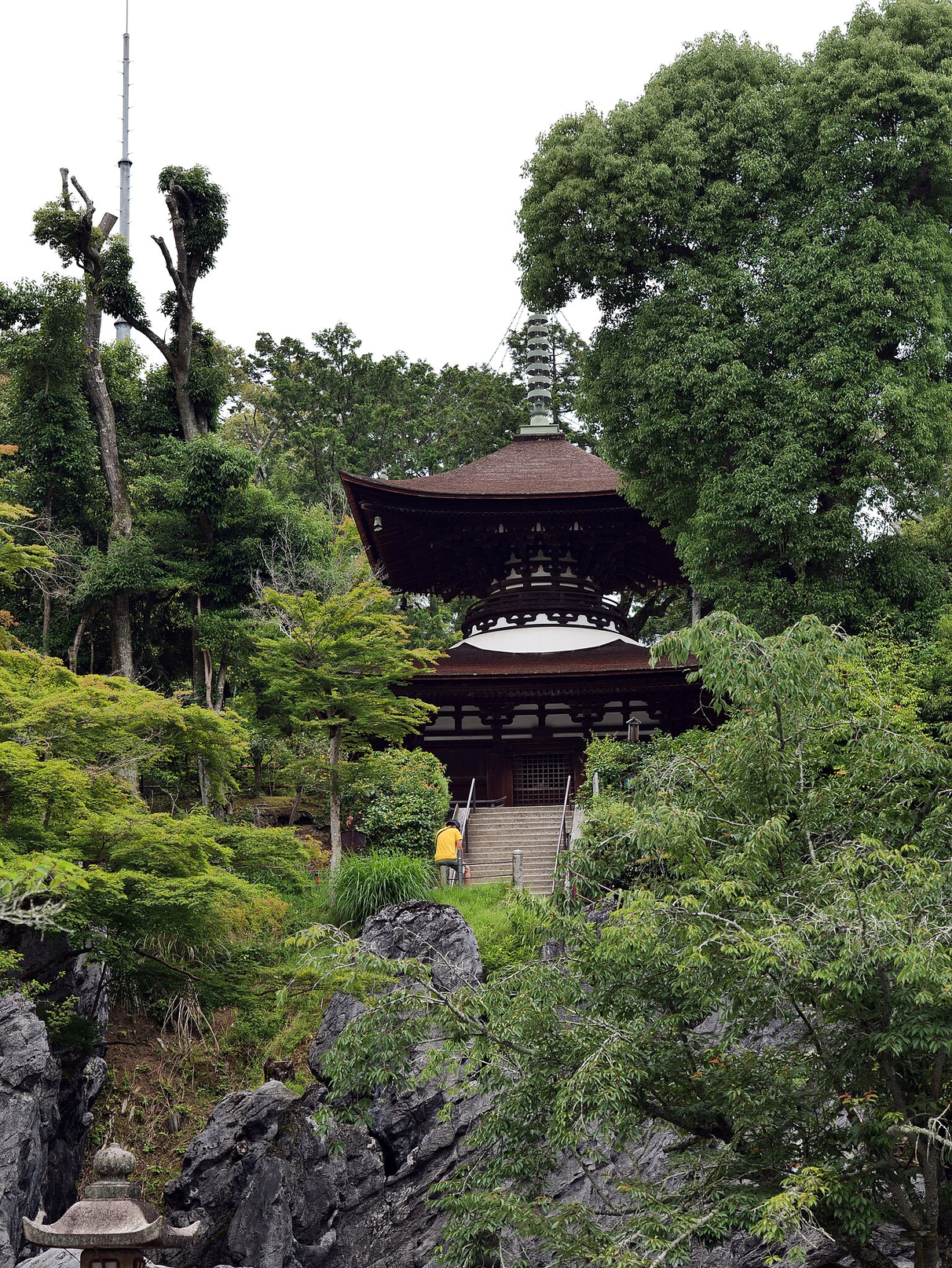
The temple complex sprawls across a hillside, its crimson and russet momiji in autumn and delicate sakura in spring painting the forest in shifting tones of reverence. Kind attendants near the entrance offer wooden walking sticks to visitors, your staff for a Tolkien-like literary pilgrimage into the misty groves. The scent of old stone, moss, and incense trails behind you as you ascend to the temple halls, some of which seem carved directly into the mountain itself.
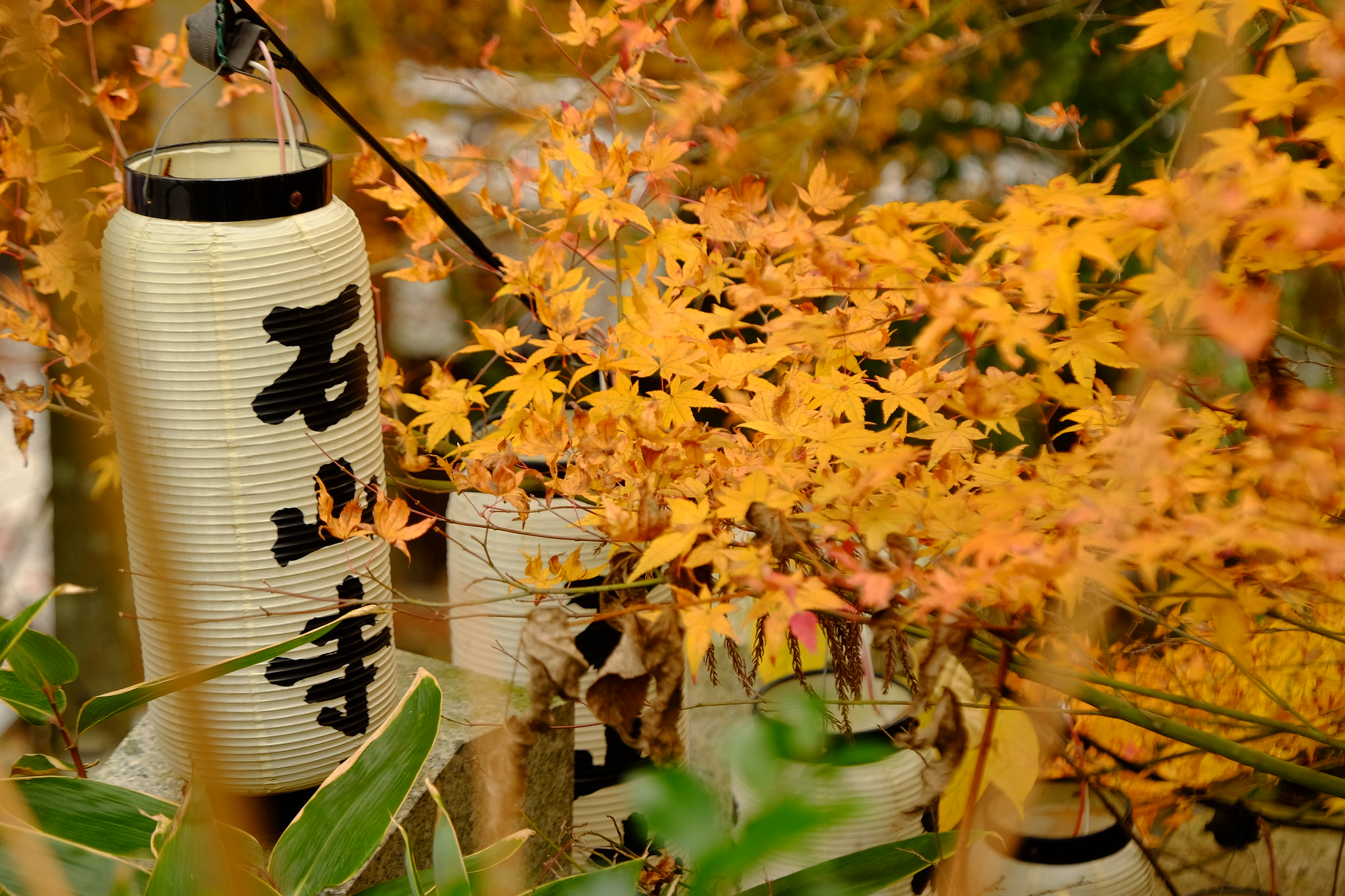
Founded in 747 by the monk Roben, who also established Todai-ji in Nara, this temple owes its existence to both spiritual perseverance and miraculous timing. Roben had been tasked by Emperor Shōmu, the 45th emperor of Japan, to pray for gold to complete the massive Great Buddha statue at Todai-ji. After failed attempts at other sites, Roben received a metaphysical vision from Zao Gongen, the syncretic mountain deity of Shugendō. The vision urged him to move his prayers to the stone plateau of Ishiyama.
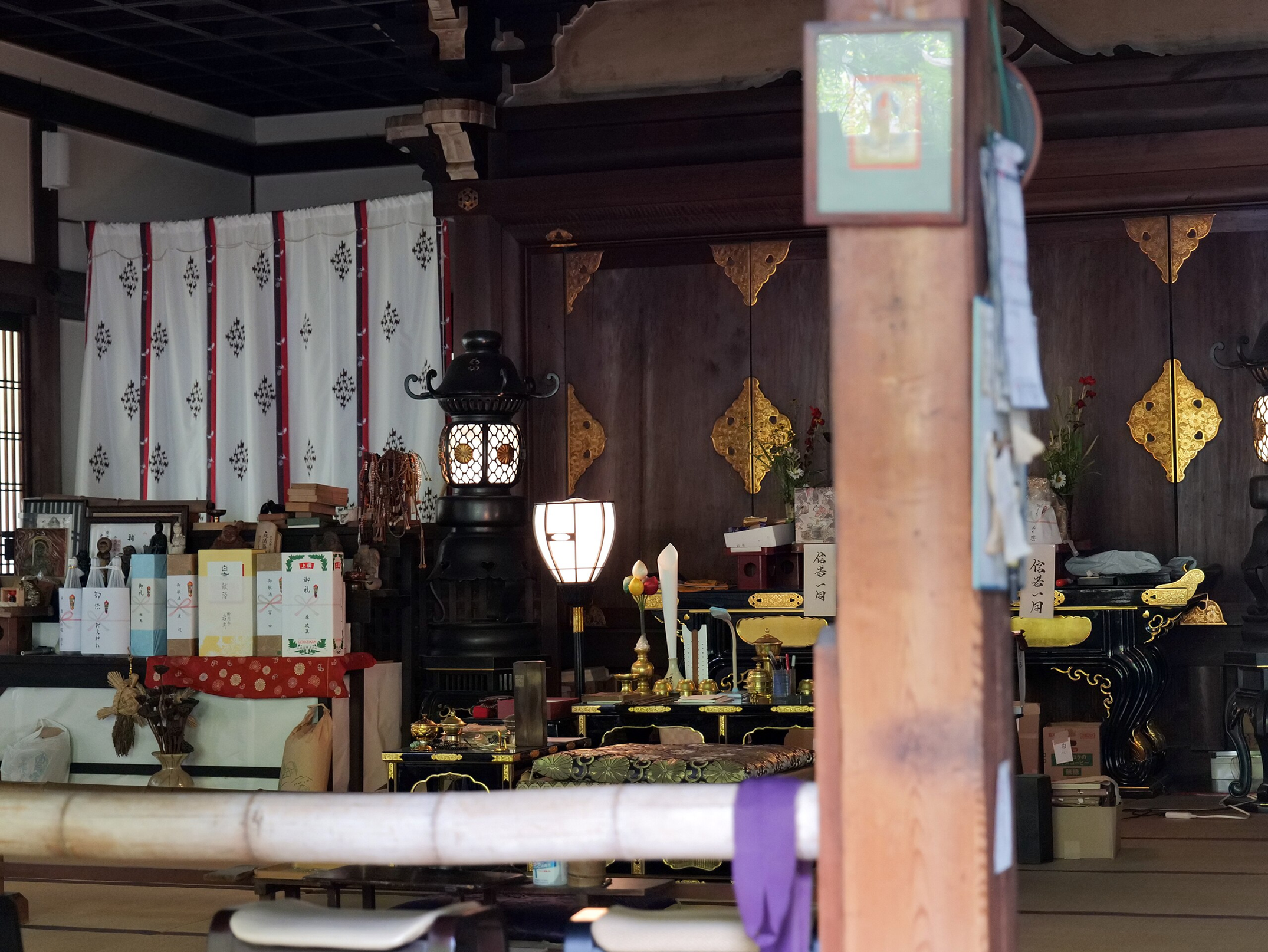
There, Roben worshipped before a sacred statue of Prince Shōtoku, entrusted by the emperor himself. Not long after, gold was discovered in the far north (modern-day Tōhoku), making the completion of the Great Buddha possible. When Roben’s mission ended, the statue of the prince refused to be moved, no matter how many tried. Interpreting this as divine will, a shrine was built around it. Over time, that shrine grew into the Ishiyama-dera we see today.
Today, the temple is also known as the 13th stop on the Saigoku Kannon Pilgrimage, a revered 33-temple circuit dedicated to the Bodhisattva of Compassion. Pilgrims in white robes and straw hats, clutching their prayer books, are a common sight, depending on the season. Some walk the full course on foot, retracing the paths of the ancients. Others arrive by train or car, or maybe with MK, to leave a stamp in their book, a prayer in their heart, and perhaps a burden on the altar.
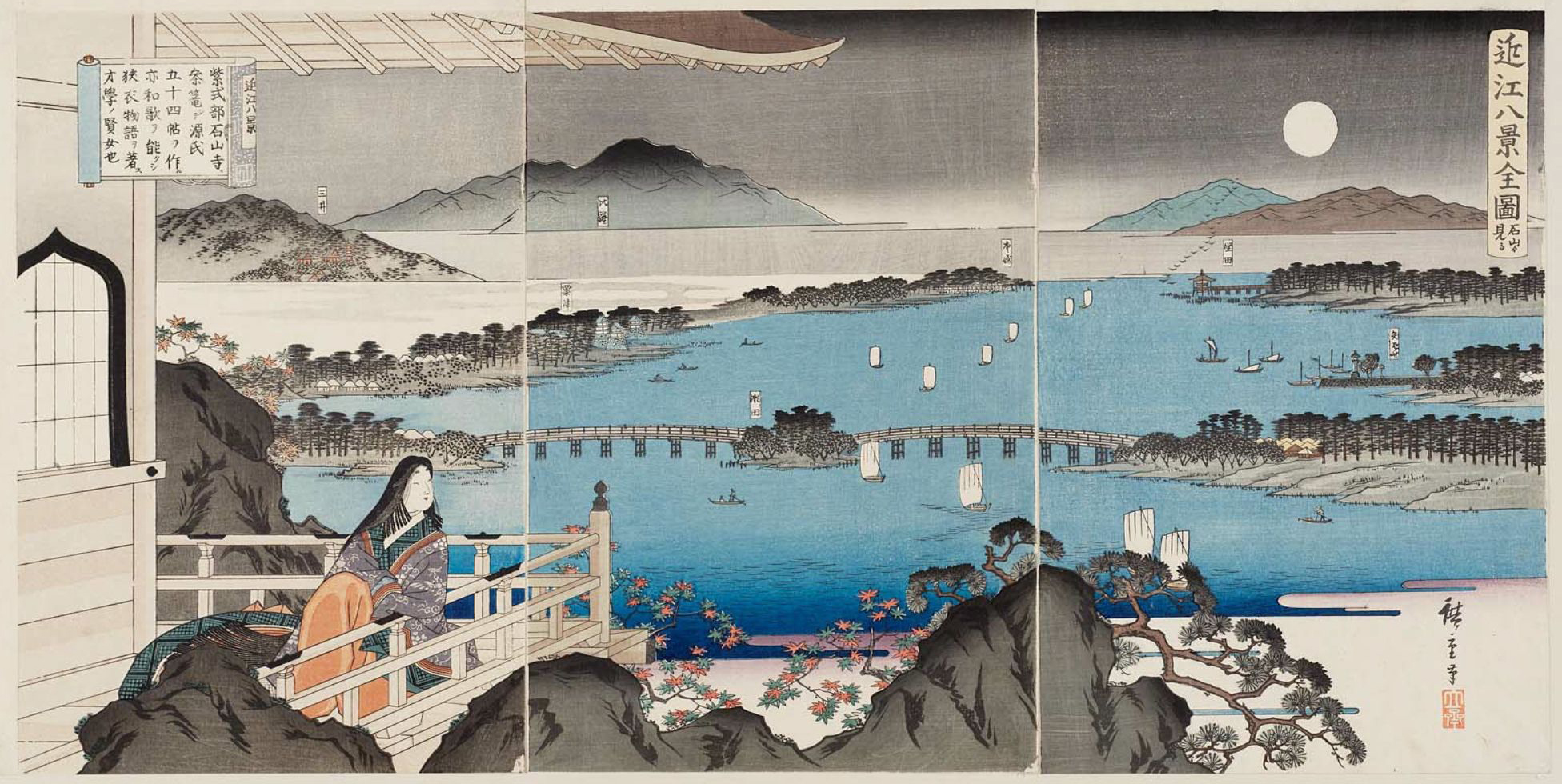
During the Heian period, pilgrims often stayed overnight. It was on such a night, under a full moon, that Murasaki Shikibu looked out over Lake Biwa from her lodging. That moment would be immortalized in the “Autumn Moon at Ishiyama,” one of the iconic “Eight Views of Ōmi” woodblock prints. And in that moonlit stillness, the seed of Genji was planted. If you arrive on a full moon, pause. The light that struck Murasaki’s soul may still be waiting just behind the clouds.
Beneath the dawn’s crisp breath
Fresh air whispers through old cedars,
Stress dissolves in rustling trees,
Melting into stone-path calm
Ancient gardens bloom in serenity.
Let MK Guide You Through Japan’s Living Poetry
Every stone holds a story at Ishiyama-dera, where golden prayers once funded a colossal Buddha and where moonlight gave birth to the world’s first novel. Let MK walk with you through this hillside temple, where literary sparks still flicker and silence speaks volumes.
Image credit
- Photo by Hyppolyte de Saint-Rambert, via Wikimedia Commons (CC BY 4.0)
- Photo by Hyppolyte de Saint-Rambert, via Wikimedia Commons (CC BY 4.0)
- Photo by foooomio, via Wikimedia Commons (CC BY 2.0)
- Photo by Hyppolyte de Saint-Rambert, via Wikimedia Commons (CC BY 4.0)
- Image by Utagawa Hiroshige, via Wikimedia Commons (Public Domain)
Let MK Guide Your Journey

Let MK be your trusted guide through Japan. With local expertise, luxury vehicles, and English-speaking drivers, we create seamless, personalized journeys designed to make every experience effortless and unforgettable.
Plan your trip now with MK Guide.